Energy experts and policy advocates have called for a strategic shift towards blended financing and the deployment of interconnected mini-grids as the most viable solution to Nigeria’s persistent electricity deficit. The call was made in Abuja during the official release and presentation of the book, ‘Financing The Energy Transition in Nigeria: Interconnected Mini-Grids and Sustainability in Nigeria’, authored by Dr Cheryl Ikejiaku over the weekend in Abuja.
Book Launch Highlights Need for Structured Finance
Ikejiaku, an economist and sustainable development expert, explained that her research was born out of a burden to see Nigeria achieve the United Nations’ Sustainable Development Goal 7 (SDG7), affordable and clean energy. She identified that while policy solutions often exist on paper, the crux of implementation remains the lack of structured finance.
“I figured out that the energy sector is one field that influences practically every single aspect of our living and our existence as human beings. If we can get energy right, a lot of other things will also come into play,” she said.
“It shouldn’t be difficult to empower Nigeria with energy, but I saw a lot of bottlenecks that were transparent to the builders.”
Ikejiaku, who also celebrated her 50th birthday during the event, noted that despite the enormous population, millions of Nigerians remain “highly underserved,” forcing individuals in hubs like Wuse Market and rural villages to find expensive, makeshift ways to power their businesses. She argued that interconnected mini-grids allow for a scalable approach to electricity, where systems are built one step at a time to empower homes, medical farms, and small enterprises.
“Whether you are a policy maker, an energy user, a financier, or a researcher, we are all catalysts. If every person in this room could do just one thing after they leave today, a lot can be achieved,” she added.
Ikejiaku emphasized that the book is less about the technicalities of electricity systems and more about the political economy of how Nigeria can fund its transition to a cleaner future. “Fifty years, and this is just one book. For me, it just tells me that there’s more to be done,” she said.
REA Commends Scholarly Contribution
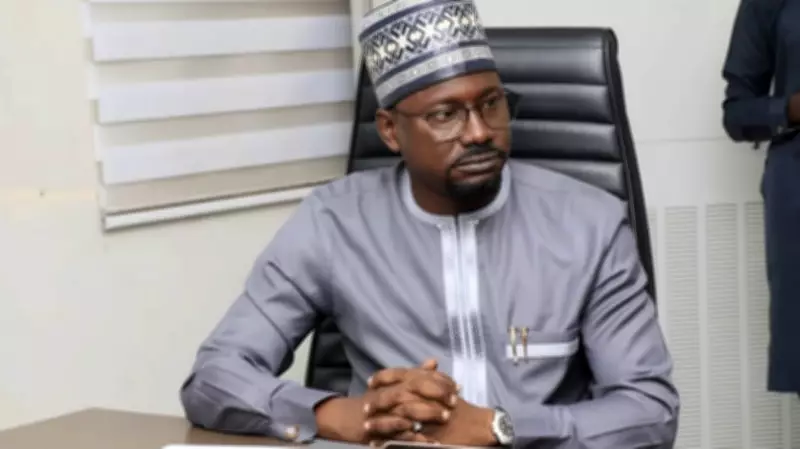
Managing Director and Chief Executive Officer (CEO) of the Rural Electrification Agency (REA), Abubakar Aliyu, commended Dr Ikejiaku for choosing to mark her golden jubilee with a “rigorous, peer-reviewed, policy-relevant blueprint” rather than mere pageantry. Represented by the Director of Legal Services of REA, Malam Ibrahim Kashim, he noted that the REA remains committed to such scholarship, as it provides the evidence-based data required to bridge the energy gap in underserved communities.
Industry Leaders Support Innovative Financing
Earlier, Managing Director and Chief Executive Officer of Off-Grid Electricals Limited, Engineer Halis Mohamed, while congratulating Ikejiaku, said that writing a book is hard, and harder still when writing a rigorous book on financing Africa’s energy transition.
“On behalf of those of us who work in the sector every day, thank you for the level of work you have put in this volume. Nigeria still has tens of millions of citizens without reliable electricity. This is what we are fighting every day. The transition from darkness to light has not even happened,” he said.
Mohamed pointed out that mini-grids and interconnected mini-grids in particular have quietly moved from being a pilot stage curiosity to a proven bankable pathway for closing the gap. “The technology is no longer the question. The regulatory framework, while imperfect, is still workable. What remains persistently is the finance question: How do we move from financing projects one at a time to financing portfolio at scale? How do we structure capital so that ESCOs hold through tariff cycles, apex shocks, and uptake variabilities? How do we crowd in patient capital alongside commercial debt? These are not abstract questions, and this is precisely why a book like this is arriving at the right time,” he explained.
The event underscored the urgent need for innovative financial mechanisms to address Nigeria's energy challenge, with stakeholders reaffirming their commitment to collaborative solutions.