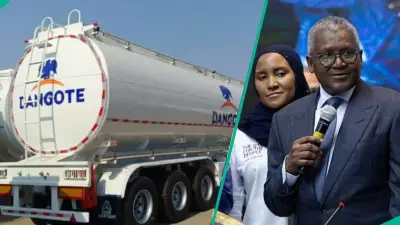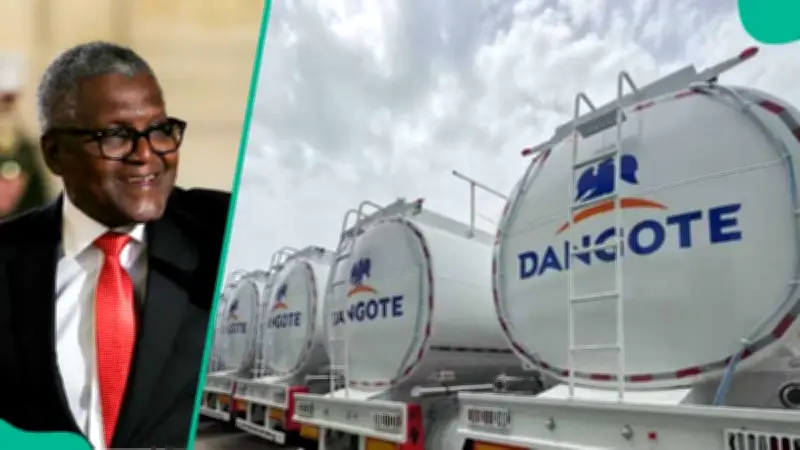
Dangote Refinery has officially resumed its free petrol delivery programme, unveiling a distribution model that could significantly lower fuel supply costs and reshape Nigeria's downstream petroleum sector. The initiative goes beyond eliminating transportation costs for qualified marketers. It also introduces a structured credit facility, sets minimum purchase requirements and establishes a direct supply network designed to improve product availability across the country, according to a report by PetroleumpriceNG.
With fuel distribution costs accounting for a major portion of retail petrol prices, industry stakeholders believe the programme could ultimately support more competitive pump prices if the savings are passed on to consumers. Here are five key things marketers need to know.
Free Delivery at the Official Gantry Price
One of the biggest attractions of the programme is that Dangote Refinery will continue selling Premium Motor Spirit (PMS) at its official gantry price of ₦1,075 per litre, while covering transportation costs for qualified buyers. This means eligible marketers will receive products directly at their retail outlets without paying separate haulage charges, significantly reducing one of the largest operational expenses in the fuel supply chain. The move is expected to improve distribution efficiency and enhance product availability, particularly for marketers operating far from major depots.
Qualified Buyers Can Access a 10-Day Credit Facility
The refinery has also introduced a short-term credit arrangement aimed at easing cash flow pressures for marketers. Under the scheme, buyers who purchase at least 250,000 litres and meet the required conditions, including providing a bank guarantee, can receive subsequent product allocations on a 10-day credit basis. The facility is expected to help marketers maintain steady fuel supplies without tying up significant working capital.
Minimum Purchase Requirement Applies
Participation is limited to bulk buyers capable of lifting substantial volumes. To qualify for both the free delivery service and the credit facility, marketers must purchase a minimum of 250,000 litres of petrol. During the first phase of implementation, product lifting has also been capped at five trucks per transaction. According to the refinery, the measure is intended to ensure efficient allocation and smooth operations as the programme gradually expands.
Dedicated Registration and Support Channels
Dangote Refinery has established dedicated telephone lines and an official email address to simplify the registration process and assist prospective participants. The support channels are expected to speed up enquiries, improve customer engagement and ensure a seamless rollout of the initiative.
More States to Benefit in Phase Two
The refinery said the current rollout represents Phase One, with additional states expected to be included as the programme expands nationwide. The phased approach is designed to strengthen the refinery's direct distribution network while extending the benefits of the initiative to more marketers across Nigeria.
What It Means for Nigeria's Fuel Market
The free petrol delivery programme represents more than a logistics upgrade. It signals Dangote Refinery's push to deepen direct fuel distribution, reduce supply chain costs and improve nationwide access to petrol. If successfully implemented, the initiative could intensify competition in the downstream sector, lower operating costs for marketers and create room for more affordable pump prices. Combined with the refinery's credit support and expanding distribution network, the programme has the potential to reshape how petrol reaches filling stations across Nigeria while improving supply reliability for consumers.
Legit.ng earlier reported the recent reductions in petrol and diesel prices in Nigeria, driven by adjustments from the Dangote Refinery and major fuel marketers after a meeting with the Federal Government. These price changes come at a time when consumers have long awaited relief from soaring fuel costs, as industry experts predict further reductions amid a more competitive market landscape.