
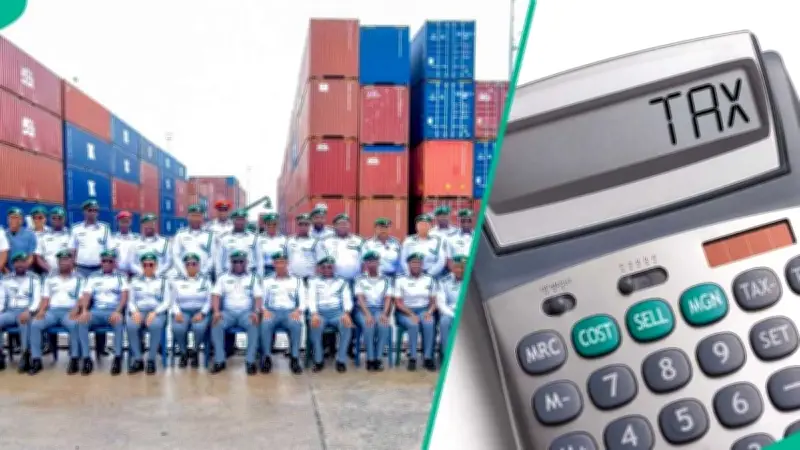
The Federal Government has officially begun implementing the Green Tax Surcharge on selected imported vehicles through the Nigeria Customs Service (NCS), effective July 1, 2026. This environmental levy is part of the 2026 Fiscal Policy Measures aimed at reducing carbon emissions and promoting sustainable transportation in Nigeria.
Green Tax Effective July 1, 2026
The Green Tax Surcharge applies to imported motor vehicles with high engine capacities. According to a report by BusinessDay, the policy is designed to curb carbon emissions by discouraging the importation of vehicles that generate higher levels of pollution.
Higher-Engine-Capacity Vehicles to Be Affected
The surcharge targets vehicles based on engine size. Imported vehicles with engine capacities between 2,000cc and 3,999cc will attract a 2% Green Tax Surcharge, while those with engines of 4,000cc and above will pay a 4% surcharge. This tiered approach aims to penalize the most polluting vehicles more heavily.
Electric Vehicles and Buses Exempted
The Green Tax surcharge does not apply to electric motor vehicles, buses and other mass transit vehicles, as well as vehicles produced locally. This exemption is intended to encourage the adoption of cleaner transportation alternatives and support domestic manufacturing.
Green Tax to Be Separately Assessed
The Nigeria Customs Service has stated that the surcharge will be assessed separately from existing import duties. Importers must submit a different HS Code Declaration in the NCS system to ensure transparency and uniform implementation across all Customs commands.
Sensitisation Ongoing on the Green Tax
Ahead of the July 1 rollout, the NCS conducted nationwide sensitisation programmes for customs agents, freight forwarders, importers, and other stakeholders. The goal was to ensure understanding of the policy and compliance with the new requirements.
The Green Tax Surcharge represents one of Nigeria's most significant environmental tax reforms in recent years. The federal government hopes it will encourage the use of cleaner vehicles while supporting the country's climate and sustainability objectives.
Vehicle Import Duty Slashed
In a related development, the Nigeria Customs Service confirmed that import duty on brand-new vehicles has been reduced from 20% to 10%, effective July 1. For used vehicles, commonly known as Tokunbo, the duty has been cut from 15% to 5%. This reduction is expected to moderate the impact of the new environmental levy on affected vehicles.




