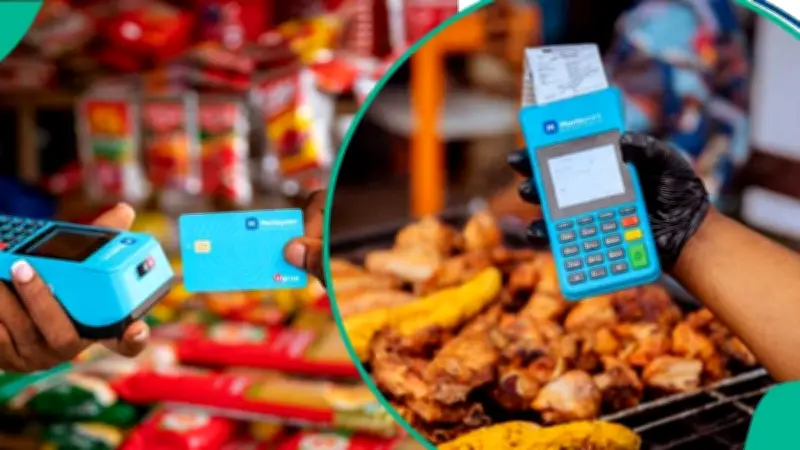
A new industry case study by Moniepoint Inc. has revealed how digital payment infrastructure is transforming Nigeria's food service sector, helping businesses overcome longstanding operational challenges while powering an industry now valued at $11.09 billion.
According to the report, Nigeria's food service market has evolved from a predominantly cash-driven business into a digitally enabled ecosystem supported by instant payments, automated transaction verification, inventory management and data-driven access to credit.
The study projects that the sector will continue its rapid expansion, growing to $19.31 billion by 2030 at an annual growth rate of 11.73%, driven by the rise of food delivery platforms, cloud kitchens and modern quick-service restaurants.
Four decades of industry transformation
The report traces the industry's journey from the establishment of UAC's Kingsway Rendezvous in 1973 and the launch of Mr Bigg's in 1986 to the emergence of leading quick-service restaurant chains such as Chicken Republic.
Today, food and beverage businesses represent the second-largest merchant category on Moniepoint's platform, behind only retail. Moniepoint said the industry's rapid growth has been supported by financial technology that has removed many of the operational bottlenecks that previously slowed business expansion.
Solving longstanding payment challenges
For decades, Nigerian food businesses relied heavily on cash transactions, exposing operators to theft, accounting errors and delayed settlements. While the adoption of bank transfers improved digital payments, businesses often struggled with manual confirmation of transfers before releasing customer orders.
According to the study, payment verification during peak periods could delay transactions by between two and five minutes, particularly during festive seasons such as Christmas, New Year and Eid when transaction volumes surge. The report also found that disconnected payment and inventory systems contributed to stock losses, financial leakages and poor operational oversight across multiple outlets.
Instant settlements, credit boost business growth
Moniepoint said it addressed these challenges through three major interventions: instant settlement of payments, automated transfer confirmation and credit based on verified transaction history rather than traditional collateral. The company noted that same-day settlements allow restaurant operators to purchase fresh inventory using proceeds from the previous day's sales, improving cash flow and business continuity.
The study added that the adoption of these solutions, alongside Nigeria's cashless policy, contributed to a remarkable 2,823% increase in quick-service restaurant terminal usage.
Women-owned businesses benefit
The report also highlights the financing challenges faced by food entrepreneurs, particularly women. Citing International Finance Corporation data, it noted that Nigeria's MSME financing gap stood at $32.2 billion in 2022. Women own 86.8% of businesses in the accommodation and food services sector, making them disproportionately affected by limited access to traditional bank loans.
Moniepoint said its transaction-based lending model helps bridge this gap by using verified business performance instead of physical assets to assess loan eligibility.
New insights into consumer spending
The report provides fresh insights into consumer behaviour across the sector. It found that transaction volumes peak between 1 p.m. and 2 p.m., with another surge around 7 p.m., while online food delivery orders remain strong well beyond 10 p.m. Card payment activity also records its largest monthly increase between November and December, whereas April is the slowest month for payment activity, recording transactions 46.3% lower than December.
Moniepoint said the food service report is part of its broader research initiative designed to help regulators, investors and businesses better understand how digital payment ecosystems are reshaping Nigeria's commercial landscape.