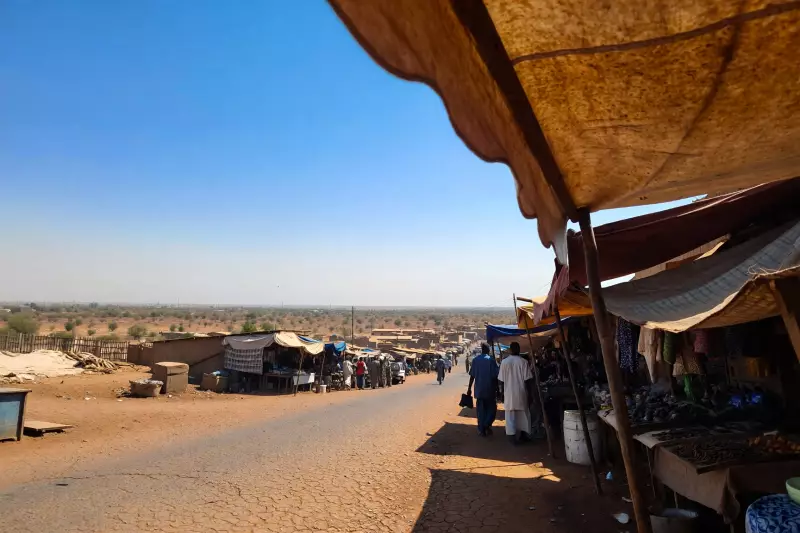
What is the true picture of Nigeria's climate? While the national average temperature sits at 27 degrees Celsius (80.6°F), this figure is merely a starting point for understanding a nation of stark climatic contrasts. From the humid, sticky air of Port Harcourt to the dry, furnace-like heat of Sokoto, temperature dictates daily life, economic activity, and health outcomes for over 220 million Nigerians.
Regional Realities: A Nation of Three Climates
Nigeria's climate is not monolithic. It fractures into three distinct zones, each with a unique thermal personality. The southern coastal belt, encompassing cities like Lagos and Calabar, endures high humidity levels of 70-85% paired with temperatures typically ranging from 25 to 33°C. Here, the air often feels like a warm, damp blanket, forcing adaptations like early morning markets and architecturally designed cross-ventilation in homes.
The story shifts in the middle belt and central regions, including Abuja and Jos. This zone experiences a dramatic yo-yo effect: dry season peaks can hit 35-38°C, while the harmattan period brings surprisingly cool mornings as low as 18°C. Jos Plateau stands out with an average annual temperature of just 22-24°C, a relic of its colonial past as a hill station and a modern escape from the heat.
Northern Nigeria, however, records the country's most extreme conditions. From March through May, states like Borno, Yobe, and Katsina regularly see the mercury climb above 40°C (104°F), with humidity as low as 10-20%. This creates a parching, intense heat that reshapes entire daily rhythms, with farmers often beginning work at 5 a.m. and seeking shelter from the dangerous midday sun.
Extreme Heat and the Rising Mercury
The concept of an "average" becomes alarming when examining Nigeria's temperature extremes. The hottest temperatures ever recorded have reached 45 to 47 degrees Celsius (113 to 116.6°F) in locations like Gwagwalada in the Federal Capital Territory, Yola, and parts of Sokoto state. In 2024, Gwagwalada consistently recorded ambient temperatures at or above 45°C, posing serious documented threats to human health.
This is not merely about discomfort. Extreme heat has tangible, deadly consequences. Market traders collapse from heat exhaustion, construction workers suffer heat stroke, and children face dehydration in poorly ventilated schools. The economic toll is heavy, straining household budgets with increased spending on cooling—often ₦5,000 to ₦15,000 monthly on generator fuel for fans and ACs—and reducing agricultural yields and labour productivity.
The World Meteorological Organisation (WMO) projects that 2025 will be Nigeria's second-hottest year on record, part of a global trend that has made 2015-2025 the warmest 11-year period in observational history. Mean near-surface temperatures from January to August 2025 were 1.42°C above pre-industrial averages, driven by record greenhouse gas concentrations.
Adaptation and the Path Forward
Facing this warming reality requires both rediscovering traditional wisdom and embracing modern solutions. Nigerian architectural heritage offers proven strategies: high ceilings and wide verandas in Yoruba compounds, and thick, insulating mud walls in Hausa architecture. Yet, modern construction often ignores these in favour of designs unsuitable for the tropics.
Practical daily adaptation is crucial for Nigerians across all regions:
- Strategic Timing: Schedule demanding outdoor work for the cooler windows of 6 a.m. to 9 a.m. and after 6 p.m.
- Smart Hydration: Drink water before feeling thirsty. Dehydration sets in quickly, with serious health implications.
- Appropriate Clothing: Light, loose-fitting cotton garments are essential, particularly in the humid south.
- Vigilance for Vulnerable Groups: Extra care is needed for children, the elderly, and those with chronic conditions during heat waves.
On a broader scale, climate models project Nigeria could see temperatures rise by 1.5 to 3 degrees Celsius by 2050. This underscores the urgent need for investment in climate-resilient infrastructure, heat-tolerant crop varieties, urban greening, and strengthened meteorological services from the Nigerian Meteorological Agency (NiMet).
Understanding Nigeria's temperature is about more than statistics. It is about comprehending a fundamental force that shapes health, economy, and culture. From the cool relief of the harmattan to the oppressive peak of the dry season, heat is a daily reality for millions. Navigating it successfully demands respect for its power, intelligence in adaptation, and concerted action to mitigate the rising trend that threatens the nation's future.