
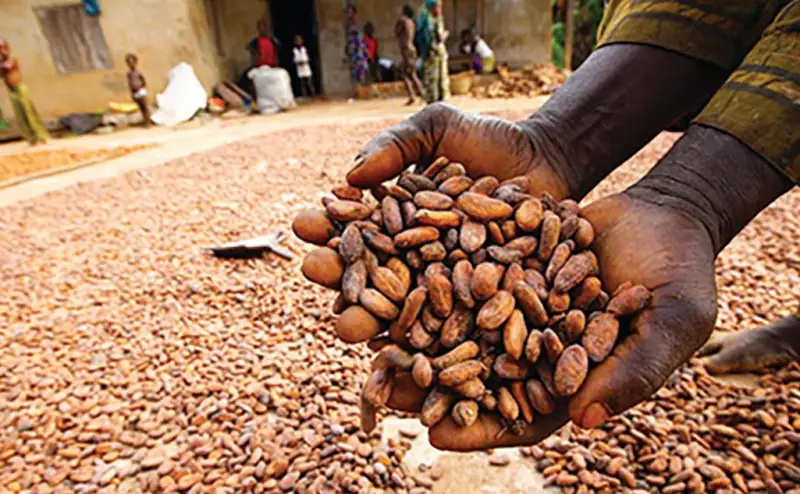
Nigerian cocoa industry leaders are making a strong appeal to the government for immediate support to reposition the sector in 2026. This call to action aims to unlock the nation's full cocoa potential and enable it to compete effectively with other major producing countries on the global stage.
Funding Crisis Stifles Production and Research
A central issue crippling the industry is a severe lack of financing. Stakeholders identify this as the primary obstacle to producing world-class cocoa locally. This funding shortfall is causing Nigeria to lose a staggering over $2 billion every year. This massive revenue loss stems from unexploited value chain opportunities within the global cocoa market, exacerbated by an insufficient cocoa culture and a lack of full appreciation for its value propositions.
The problem extends to processing capacity. While Nigeria has built-up infrastructure capable of processing about 200,000 metric tonnes of cocoa into butter, liquor, and cake or powder, it currently operates at a mere 30 per cent capacity. Industry experts blame this underperformance on a poorly structured domestic market and cocoa sector, which fails to attract the necessary investments to develop offerings that can compete with Western markets.
Stakeholders Highlight Institutional and Infrastructural Gaps
In a recent communiqué from the International Cocoa and Chocolate Forum, key figures including HRM Oba Dokun Thompson, Founder of International Cocoa Diplomacy (ICD), and Dr. Patrick Adebola, Executive Director of the Cocoa Research Institute of Nigeria (CRIN), detailed these challenges. They pointed to a lack of creative and proper funding to develop the industry's opportunities.
The communiqué specifically noted that CRIN is underfunded. It also criticized the structure of the Nigerian Export-Import Bank (NEXIM), stating it is not equipped or financed like its counterparts such as AFREXIM or the Export-Import Bank of India to undertake major infrastructure projects crucial for export trade.
"Manufacturing has become unattractive due to lack of necessary infrastructure to support the services rendered that will make cost of production and quality competitive with imported products," the document read. It emphasized the need for an agricultural strategy that leads directly to industrialization.
The stakeholders also warned that the global cocoa sector is dominated by a few powerful players, creating an oligopolistic market. These entities control prices, sustainability measures, certifications, and farmer training modules, making fair trading difficult for nations like Nigeria.
Calls for Action: Funding Research and Empowering Farmers
To break this cycle, leaders are advocating for increased support for both farmers and research institutions. Professor Sunday Bako, Vice Chancellor of Taraba State University, urged the Federal Government to adequately fund agricultural research to boost cocoa production. "We have the manpower but the lack of adequate funding remains the bane of producing world-class cocoa in the country," he stated, adding that with rising global cocoa prices, farmers need more encouragement through proper funding.
Echoing this sentiment, CRIN's Executive Director, Dr. Patrick Olusanmi Adebola, linked the institute's inability to conduct meaningful research directly to a paucity of funds. He called on the government to ensure adequate funding for research as the essential path to boosting cash crop production. "We cannot be doing research in isolation without the farmers," he added, stressing the importance of collaboration.
Adeola Adegoke, President of the Cocoa Farmers' Association of Nigeria, highlighted existing innovations from CRIN, including pest-resistant hybrids and bio-fertilizers. He called for integrating these efforts with digital technology. "Blockchain and digital platforms can eliminate middlemen, reduce losses, combat corruption, and ensure fair prices for farmers," Adegoke said.
He further pointed to the potential of developing robust databases through genetic fingerprinting and field trials, which could help Nigeria meet export standards and even tap into emerging opportunities like carbon markets, creating new revenue streams for farmers.




