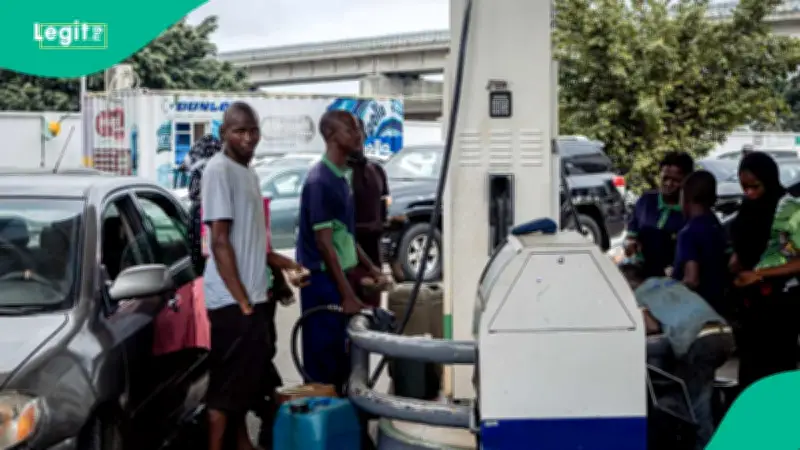
The Nigerian National Petroleum Company Limited (NNPC Ltd.) has reduced the pump price of Premium Motor Spirit (PMS) in Abuja from N1,260 to N1,210 per litre, marking its second price cut within a week. This reduction of N50 per litre follows an earlier N75 cut, bringing the cumulative decrease to N125 per litre in just seven days.
Competition with Dangote Refinery Drives Price Cuts
The latest adjustment comes shortly after Dangote Petroleum Refinery announced a N50 per litre reduction in its ex-depot price, lowering it to N1,125 per litre. This intensifies competition in Nigeria's deregulated downstream market, where marketers are adjusting retail prices in response to supply costs and pricing strategies. As a result, petrol prices now vary across filling stations in Abuja and neighbouring areas, ranging from N1,210 to N1,305 per litre, depending on the marketer and location.
Global Crude Oil Prices Support Lower Fuel Costs
The price cuts are linked to declining global crude oil prices. International benchmark Brent crude is trading around $71 per barrel, while West Texas Intermediate (WTI) hovers near $69 per barrel, following easing geopolitical tensions in the Middle East. Since Nigeria fully deregulated the petrol market, domestic fuel prices have become more responsive to international crude prices, foreign exchange rates, and shipping costs. However, analysts note that fluctuations in the naira exchange rate remain a major factor influencing petrol prices.
Consumers and Labour Groups Demand Further Reductions
The recent price cuts have renewed calls from consumers and labour groups for further reductions, arguing that lower crude oil prices should translate into lower fuel costs nationwide. Although President Bola Tinubu's administration has defended deregulation, it has yet to comment on the recent price cuts by NNPC and Dangote Refinery. Market analysts believe the competitive pricing trend could persist if crude oil prices remain stable, the naira avoids significant depreciation, and domestic fuel supply improves. Increased local refining capacity, led by Dangote Refinery and the gradual rehabilitation of state-owned refineries, could further strengthen competition and moderate petrol prices over time.