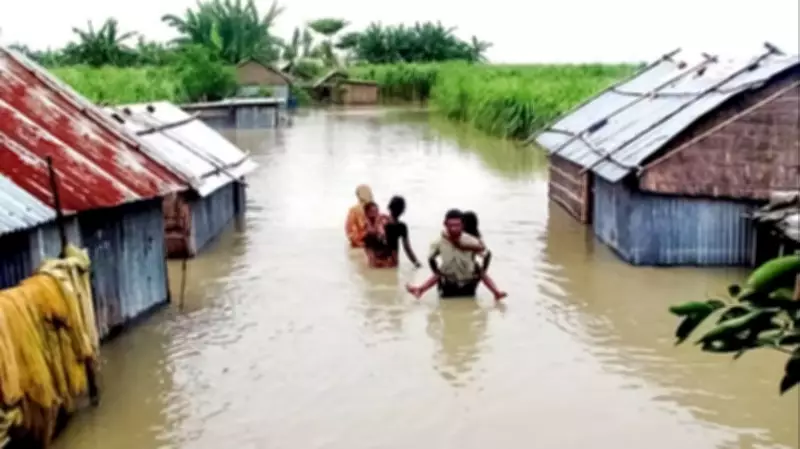
The 2026 Seasonal Climate Prediction (SCP) released by the Nigerian Meteorological Agency (NiMet) is more than a weather forecast; it is a policy document in disguise. Its projections of longer rainy seasons in Lagos and 12 other states, shorter rainfall in parts of the North-East and North-Central, severe dry spells in the South-West, and a prolonged August break across Lagos and neighbouring states demand urgent, coordinated action. Climate variability is no longer an abstract debate. It is a daily economic, agricultural and urban planning reality. The real question is not whether the rains will be longer or shorter, but whether governments, farmers, urban managers and communities are prepared.
Agricultural Implications
Agriculture remains one of the most climate-sensitive sectors in Nigeria, employing millions and serving as the backbone of food security. NiMet's prediction presents a mixed outlook. States such as Lagos, Ogun, Oyo, Benue, Enugu, Ebonyi, Nasarawa and Anambra may benefit from extended rainfall periods. In theory, this could increase cropping cycles for certain crops, boost rice, maize and vegetable production, and enhance pasture availability for livestock. However, extended rainfall also raises the risk of flooding of farmlands, post-harvest losses due to excess moisture, increased crop diseases and pest infestation, and disruption of harvest schedules. In flood-prone states like Lagos and Benue, the agricultural gains of longer rainfall may be neutralised by inundation of low-lying farms and destruction of storage facilities.
Dry Spell Threats
The predicted severe dry spells between March and May in parts of Oyo and Ogun pose serious threats to early planting. Seeds may germinate and then wither due to moisture stress. Farmers who lack irrigation systems will face yield losses. The prolonged August break in Lagos, Ogun and Ekiti could disrupt mid-season crops, especially maize and vegetables, unless farmers adjust planting calendars accordingly. Shortened rainy seasons in already climate-vulnerable states such as Borno and Yobe could worsen food insecurity. Farmers may experience reduced planting windows, lower crop maturity rates, increased competition for water resources and heightened vulnerability in conflict-affected communities. With food inflation already exerting pressure on households, any major agricultural shock could ripple through national markets.
Structural Weaknesses Exposed
The forecast exposes longstanding structural weaknesses. Although NiMet has improved forecasting, last-mile delivery remains weak. Many smallholder farmers still rely on traditional signs rather than scientific advisories. Without effective communication, predictions remain academic exercises. Nigeria's irrigation coverage remains limited compared to its agricultural potential. In areas predicted to experience severe dry spells, the absence of functional irrigation schemes could lead to widespread crop failure. In cities like Lagos, longer rainfall combined with poor drainage systems may worsen flooding. Informal settlements in floodplains are particularly at risk, while drainage encroachment, blocked canals and unregulated development amplify vulnerability. Agricultural insurance uptake is still low, leaving many farmers without financial buffers to withstand climate shocks. Severe dry spells or floods could push vulnerable households deeper into poverty. Climate adaptation also cuts across agriculture, water resources, environment, works, health and disaster management agencies, yet a fragmented institutional response continues to weaken impact.
Ongoing Efforts
Encouragingly, there are ongoing efforts at both the federal and state levels. NiMet continues to strengthen seasonal forecasts and digital advisory services. The Federal Ministry of Agriculture promotes climate-smart agriculture, while the National Agricultural Insurance Corporation offers weather-index insurance schemes. The National Emergency Management Agency coordinates disaster preparedness and response, and irrigation rehabilitation projects are underway. At the state level, drainage channels are being cleared ahead of peak rainfall in some areas. Agricultural programmes are adjusting planting advisories in response to climate predictions, and investments in flood control infrastructure are gradually increasing. Extension services are being encouraged to integrate seasonal climate data into their engagement with farmers. Yet, implementation gaps remain significant, particularly in translating policy statements into grassroots resilience.
Call to Action
NiMet has done its part by issuing early warnings. The responsibility now shifts to policymakers, farmers, urban managers and citizens. Planting calendars must align with predicted onset and dry spell patterns. Drought-resistant and flood-tolerant crop varieties should be promoted. Irrigation facilities require expansion, especially in states forecasted to experience dry spells. Mixed cropping and agroforestry can help reduce vulnerability. Forecasts must be translated into local languages and distributed through radio, SMS platforms and community networks. Partnerships with telecommunications providers can help deliver targeted farmer alerts, while weather data should be integrated into mobile agricultural advisory platforms. Urban flood risk management must move beyond seasonal reactions. Drainage expansion and maintenance need acceleration, urban planning regulations must be enforced to prevent construction on floodplains, and waste management systems should be strengthened to prevent blocked waterways. Flood monitoring and evacuation systems are essential in high-risk communities. Agricultural insurance coverage requires expansion, including subsidised premiums for smallholder farmers and stronger public-private partnerships to scale weather-index insurance. Climate risk financing should be embedded within national food security frameworks. Institutional coordination is critical. State-level climate response task forces can help align agricultural, water and disaster management strategies under unified adaptation plans. Budgetary allocations for climate adaptation infrastructure must reflect the scale of the challenge.
A Governance Test
The 2026 Seasonal Climate Prediction is ultimately a governance test. Nigeria has historically struggled not with a lack of information, but with implementation. Climate forecasts must translate into budget decisions, agricultural policy shifts, urban planning reforms and grassroots awareness. The economic cost of inaction could be severe, including food shortages, infrastructure damage, displacement, rising inflation and increased social vulnerability. Conversely, strategic adaptation could improve agricultural productivity, strengthen infrastructure resilience and build public confidence in institutions. NiMet's warning should not gather dust on government shelves. It should shape the 2026 agricultural calendar, urban planning priorities and disaster preparedness budgets. Climate variability is inevitable. Climate vulnerability, however, is a policy choice.