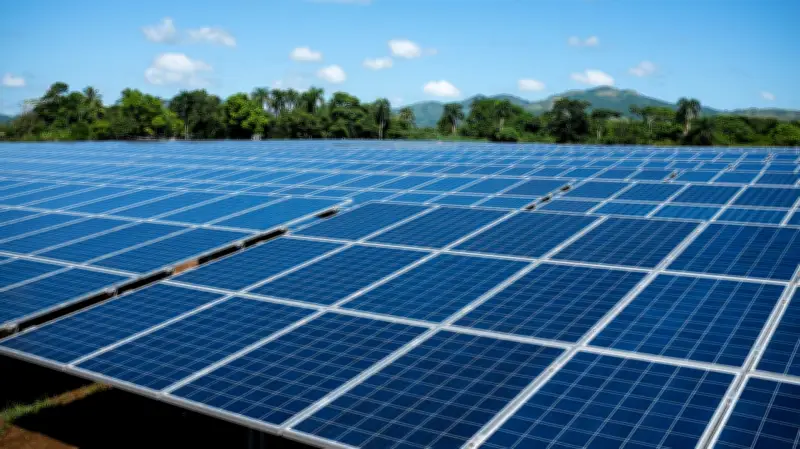
WeLight, a leading renewable energy company, has unveiled a $650 million solar mini-grid expansion plan aimed at bringing electricity to off-grid communities in Nigeria. The initiative targets providing clean, reliable power to 2 million people across rural and underserved areas by 2030, marking one of the largest private-sector investments in Nigeria's renewable energy sector.
Project Scope and Impact
The expansion will involve the installation of over 1,000 solar mini-grids in communities lacking access to the national grid. Each mini-grid will generate between 10 kW and 100 kW of power, sufficient to meet the basic electricity needs of households, small businesses, and public facilities such as schools and health clinics. According to WeLight, the project will create approximately 5,000 direct and indirect jobs during construction and operation phases.
Addressing Nigeria's Energy Deficit
Nigeria has one of the largest energy access deficits globally, with over 90 million people living without electricity. The national grid is plagued by frequent collapses and insufficient capacity, leaving many rural communities in darkness. WeLight's CEO, Adebayo Ogunlesi, stated: "Our goal is to bridge the energy gap by providing decentralized, sustainable power solutions that empower communities and drive economic growth." The company plans to deploy advanced battery storage systems to ensure 24/7 electricity availability.
Funding and Partnerships
The $650 million investment will be funded through a combination of equity from WeLight's parent company, debt financing from international development banks, and grants from climate-focused foundations. Key partners include the African Development Bank (AfDB), the World Bank's International Finance Corporation (IFC), and the Nigerian Rural Electrification Agency (REA). The project aligns with Nigeria's Vision 2030 goal of universal energy access and its Nationally Determined Contributions (NDCs) under the Paris Agreement.
Community and Economic Benefits
WeLight's mini-grids are expected to reduce reliance on expensive and polluting diesel generators, cutting carbon emissions by an estimated 500,000 tons annually. Local businesses, such as agro-processing units and cold storage facilities, will benefit from reliable power, boosting productivity and incomes. The company will also implement community ownership models, where local cooperatives can co-invest and share revenue from electricity sales.
Challenges and Sustainability
Despite the ambitious plan, challenges remain, including regulatory hurdles, tariff collection, and maintenance in remote areas. WeLight plans to use smart meters and mobile payment systems to ensure efficient billing and reduce losses. The company also commits to training local technicians for ongoing maintenance, ensuring long-term sustainability.
Future Expansion
Following the Nigerian rollout, WeLight intends to replicate the model in other West African countries, including Ghana, Côte d'Ivoire, and Senegal, aiming to power 10 million people across the region by 2035. The Nigerian expansion is expected to serve as a blueprint for scaling off-grid electrification in sub-Saharan Africa.