
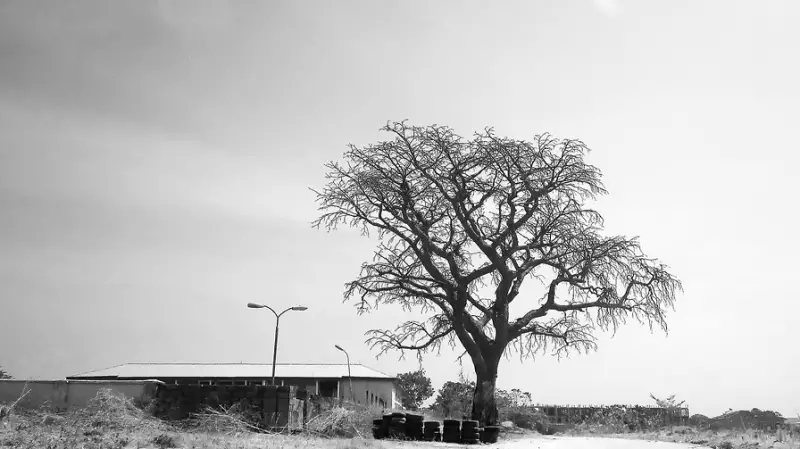
Nigerians are experiencing an unsettling climatic shift as the familiar, cold harmattan season fails to arrive, replaced by persistent and enervating heat. This unusual phenomenon, starkly evident as 2025 ends, has left citizens from the North to the South grappling with heavy, uncomfortable air instead of the expected dry, dusty winds and chilly mornings.
A Season Lost: The Disappearance of a Cultural Marker
For generations, the months of December, January, and February were synonymous with harmattan across much of Nigeria. This season shaped daily life, from farming calendars and travel plans to health routines and cultural memory. Instead of the predictable cold, 2025 has delivered relentless heat, with fans and air conditioners working overtime and complaints shifting from cold-induced coughs to heat rashes.
Historically, harmattan could begin as early as the latter half of November. However, this year's pattern was foreshadowed by rains that stretched far into December, sometimes falling in torrential buckets. This disruption marks a significant departure from a centuries-old norm.
Scientific Explanations: Climate Change and Environmental Damage
The primary suspect behind this anomaly is climate change. Emeritus Professor Layi Egunjobi of the Department of Urban and Regional Planning, University of Ibadan, highlighted this concern, noting that global warming is disrupting the precise atmospheric conditions that drive the harmattan winds from the Sahara.
Harmattan depends on specific pressure systems and temperature contrasts between the Sahara and the Gulf of Guinea. As global temperatures rise, these systems are disturbed, weakening or preventing the winds altogether. This aligns with global observations of increasingly irregular seasons, including longer heatwaves and delayed rains.
Compounding the problem is severe environmental degradation. Desertification and deforestation across the Sahel and within Nigeria itself alter land surface temperatures and wind dynamics. Forests, which play a critical role in cooling the environment, have been massively reduced through logging, charcoal production, and urban expansion. This loss diminishes nature's ability to regulate local climates and reduces the cooling effects that once complemented harmattan conditions.
Broader Impacts and an Urgent Wake-Up Call
The disappearance of harmattan extends beyond mere discomfort, carrying serious social and economic implications. Farmers who rely on seasonal patterns face uncertainty in planning cultivation cycles, which can affect soil moisture and crop yields. Public health risks shift from respiratory issues to dangers like dehydration, heat stress, and worsened cardiovascular conditions.
Furthermore, prolonged heat increases evaporation rates, putting additional strain on Nigeria's already challenged water resources. The most troubling aspect, however, is the nation's apparent lack of preparedness for these systemic shifts. Climate policy remains weak and poorly enforced, while long-term planning is often sidelined.
This moment must serve as a critical wake-up call. The situation demands urgent study by government agencies and academic institutions. Nigeria must invest seriously in climate adaptation and mitigation, including large-scale reforestation, sustainable land use, and public awareness campaigns. The silent vanishing of the harmattan is a potent signal from nature: the balance we took for granted is shifting, and ignoring this change could have profound costs for the future.




