
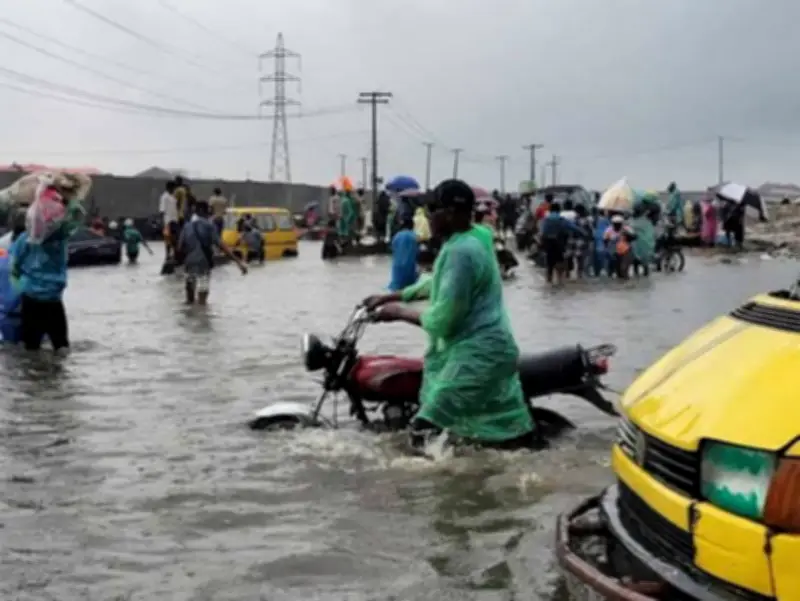
From Peers to Polar Opposites: The Flood Divide
In the 1960s, Lagos and Singapore were comparable in economic output and urban challenges. Both faced frequent floods, poor drainage, and rapid urbanization. But today, Singapore is a global model of flood resilience, while Lagos remains submerged every rainy season. The divergence stems from deliberate policy choices, massive infrastructure investments, and long-term planning in Singapore, versus fragmented governance, corruption, and underinvestment in Lagos.
Singapore's Master Plan: Drains, Dams, and Detention
Singapore transformed its flood-prone landscape by implementing a comprehensive water management system. The Public Utilities Board (PUB) oversees a network of 800 km of canals, 36 reservoirs, and 20 pumping stations. Key projects include the $226 million Stamford Detention Tank, which can hold 38 Olympic-sized pools of stormwater. The Marina Barrage, completed in 2008, creates a freshwater reservoir and prevents tidal flooding. These measures reduced flash flood areas from 3,200 hectares in the 1970s to less than 30 hectares today. According to PUB, the annual flood damage cost dropped from $5 million to under $100,000 in real terms.
Lagos: A Legacy of Neglect and Overwhelmed Systems
Lagos, with over 20 million residents, relies on a drainage network designed for a fraction of that population. The Lagos State Drainage Master Plan, last updated in 2012, estimated that 70% of drains are blocked or inadequate. The state government allocates less than 0.5% of its annual budget to drainage maintenance. In 2023, floods displaced 1.2 million people and caused damages estimated at $4.2 billion, according to the National Emergency Management Agency. The Lagos State Commissioner for Environment, Tokunbo Wahab, admitted: "Our drainage infrastructure is decades behind our population growth. We need a complete overhaul, but funding and land acquisition remain huge hurdles."
Governance and Corruption: The Underlying Difference
Singapore's success is rooted in strong institutions, anti-corruption enforcement, and long-term planning. The Corrupt Practices Investigation Bureau (CPIB) ensures that public works projects are executed efficiently. In contrast, Lagos suffers from endemic corruption in public procurement. A 2022 audit by the Lagos State Public Procurement Agency revealed that 60% of drainage contracts were inflated by an average of 35%. Land grabbing and illegal construction on drainage channels are rampant. The Lagos State Urban Renewal Authority has identified over 5,000 buildings encroaching on primary drainage routes.
Climate Change and Geography: Shared Challenges, Different Responses
Both cities face similar climate risks: rising sea levels, intense rainfall, and storm surges. Singapore's sea level is projected to rise by 1 meter by 2100. In response, the government has committed $100 billion over 100 years for coastal protection, including polders and barrages. Lagos, with a lower elevation and faster subsidence, is even more vulnerable. The Nigerian Institute for Oceanography and Marine Research warns that by 2050, up to 20% of Lagos could be permanently submerged. Yet, the federal government's National Adaptation Plan allocates only $500 million for coastal defenses over 10 years — a fraction of what is needed.
Lessons for Lagos: What Can Be Done?
Experts argue that Lagos can still turn the tide. Key recommendations include: establishing an independent drainage authority with dedicated funding, enforcing a zero-tolerance policy on illegal construction, and adopting Singapore's model of integrated water management. The Lagos State Government recently launched the Flood Control Initiative, aiming to clear 1,000 km of drains annually. However, without political will and sustained investment, the gap will only widen. As urban planner Dr. Kofoworola Akinbami stated: "Lagos and Singapore were once equals. The difference is not resources but leadership and accountability."




