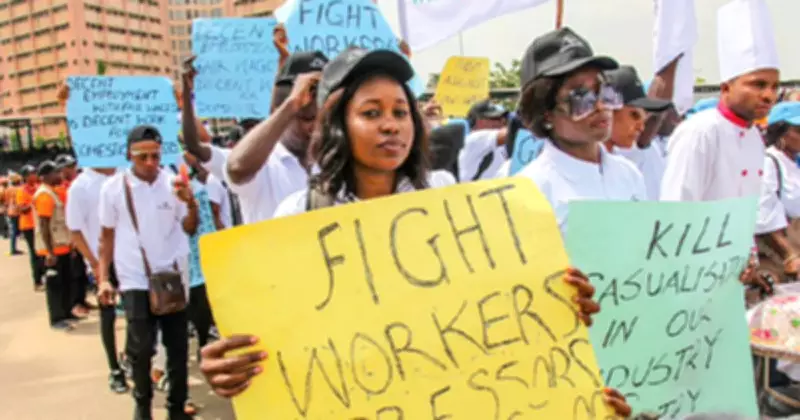
Every May 1st, the streets of Nigeria's state capitals and the iconic Eagle Square in Abuja transform into a sea of branded T-shirts, waving banners, and rhythmic marching. To a casual observer, the Workers' Day Parade looks like a colorful festival. However, for the Nigerian laborer, it is a high-stakes display of industrial muscle. According to historical records, May Day is a global phenomenon, but in Nigeria, it carries a unique weight tied to the nation's economic and political growth.
The Origins: A Victory Won, Not Given
While May Day commemorates the 1886 Haymarket affair in Chicago, its roots in Nigeria are tied to the country's own democratic and economic struggle. The tradition did not start at Independence in 1960. Instead, it was born from the grit of trade unions during the Second Republic.
- 1980: The Kano State Government, led by the People's Redemption Party, became the first to defy the federal norm and declare May 1st a holiday.
- 1981: Following a massive nationwide general strike led by the Nigeria Labour Congress for a higher minimum wage, President Shehu Shagari officially declared May 1st a National Public Holiday to appease the growing power of organized labor.
The Power Players: Who Organizes the Parade?
The parade is a joint venture between the two umbrella bodies of Nigerian labor. Though they often march side by side, they represent different tiers of the workforce:
- Nigeria Labour Congress: The largest federation, representing rank-and-file workers such as teachers, factory workers, civil servants, and technicians.
- Trade Union Congress: This body represents senior staff associations, including management-level employees and professionals in specialized sectors.
When the NLC and TUC presidents stand together on the podium at Eagle Square, it signals total solidarity, showing the government that the workforce is united from the factory floor to the executive office.
Why Do They March?
If you attend a parade in Lagos, Port Harcourt, or Abuja, you will witness a highly symbolic sequence of events:
- The March Past and the Salute: Different unions dress in customized uniforms. As they pass the podium where the Governor or President stands, they offer the Solidarity Salute, a raised clenched fist symbolizing their refusal to be broken by economic hardship.
- The 'Solidarity Forever' Anthem: The air is filled with the sound of the labor movement's official anthem. Singing this song is a ritual designed to boost morale and remind workers of their collective power.
- The Presentation of the Charter of Demands: This is the most critical part of the day. Labor leaders give speeches and hand over a physical document called the Charter of Demands to the government representative. This document typically outlines adjustments to the National Minimum Wage, demands for better social security and pension payments, and calls for fixing local refineries or reducing electricity tariffs.
Why the Parade Matters in Today's Nigeria
In recent years, the parade has shifted from a celebration of work to a platform for economic survival. Today, the parade is the primary stage for the argument that a minimum wage is no longer enough. Labor leaders use the May Day rally to demand a living wage, one that accounts for the current realities of inflation and the rising cost of transportation and food. In Nigeria, the Workers' Day parades are simply a public display of unity, celebration, and advocacy for better working conditions. While it includes music and marching, its deeper purpose is to remind everyone, especially the government, that workers are essential and deserve fair treatment.