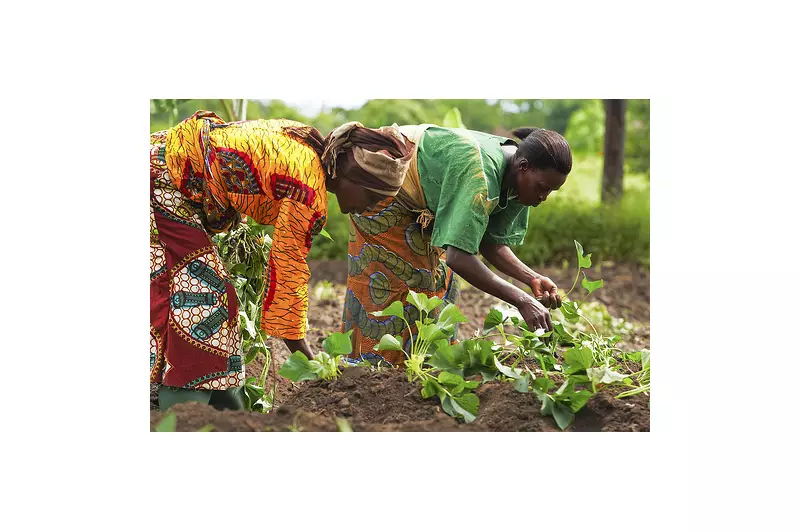
In a significant push to dismantle financial barriers and secure climate adaptation resources for Nigeria's rural women farmers, the International Centre for Environmental Health and Development (ICEHD) has hosted a major multi-stakeholder workshop. The event, focused on unlocking gender-responsive funding, took place in Lagos, drawing a diverse group of 52 participants from civil society, government, finance, and farming communities.
Confronting the Barriers Faced by Women Farmers
The high-level gathering, held under the theme “Exploring Financial Resourcing for Women Farmers in Nigeria,” was part of ICEHD's flagship project, “Grassroots-Driven Climate Action by Rural Women Farmers in Nigeria.” Its core mission was to critically assess the obstacles blocking women's access to climate finance and to identify practical, context-appropriate solutions.
Following welcome remarks by facilitator Oloruntosin Taiwo, the keynote address was delivered by Michael Omoniyi Bankole, Head of the Climate Change and Environmental Planning Department at the Lagos State Ministry of Environment and Water Resources. He stressed the state's climate priorities and the urgent need to integrate gender-responsive financing into adaptation plans.
Oluwadara Victor Adewoye, Programme Officer at ICEHD, presented stark findings from direct engagements with farmers. His report highlighted a cascade of challenges: climate shocks, herder conflicts driven by drought, food insecurity, falling yields, poor market access, and financial exclusion. He also shed light on the profound impact of gender-based violence (GBV) on women's livelihoods and well-being, a factor often overlooked in economic discussions.
Exploring Financial Pathways and Collaborative Solutions
The workshop delved into critical themes, including the intersection of gender with land ownership, global best practices for climate finance, and domestic funding pathways in Nigeria. Discussions also covered strategies for market integration, loan readiness, and innovative financial tools.
During the dedicated Climate Finance session, lead resource person Titilope Gbemisola Akosa outlined specific mechanisms. These included international avenues like the Global Environment Facility (GEF) Small Grants Programme and the Adaptation Fund, as well as concessional lending options from Nigerian institutions such as Access Bank, FCMB, and the Bank of Industry (BoI).
Participants identified insurance-backed risk pooling and blended finance models as promising tools for de-risking agricultural investments targeted at women. The conversations underscored the necessity of multi-sector collaboration across agriculture, finance, civil society, government, and insurance to scale up impact.
Identifying Gaps and Agreeing on Action
Through plenary and group sessions, major gaps were pinpointed. These include restrictive land ownership norms, low literacy regarding documentation, limited fundraising capacity within communities, and a general lack of understanding of complex climate finance mechanisms.
In response, attendees agreed on essential next steps to strengthen resilience and economic empowerment. Consensus was reached on the need for:
- Improving access to land documentation and streamlining business registration.
- Enhancing collaborative proposal writing skills among CSOs and farmer groups.
- Building strong, CSO-led consortiums to advocate for policy change and access larger funding pools.
The workshop marked a pivotal step in moving from grassroots activism to strategic policy influence, aiming to transform the financial landscape for the women who form the backbone of Nigerian agriculture.