Spain is in a state of national mourning following its most devastating railway accident in more than ten years. A catastrophic collision between two trains near the town of Adamuz in Córdoba has claimed at least 39 lives and left dozens more injured, according to officials.
Details of the Deadly Adamuz Train Collision
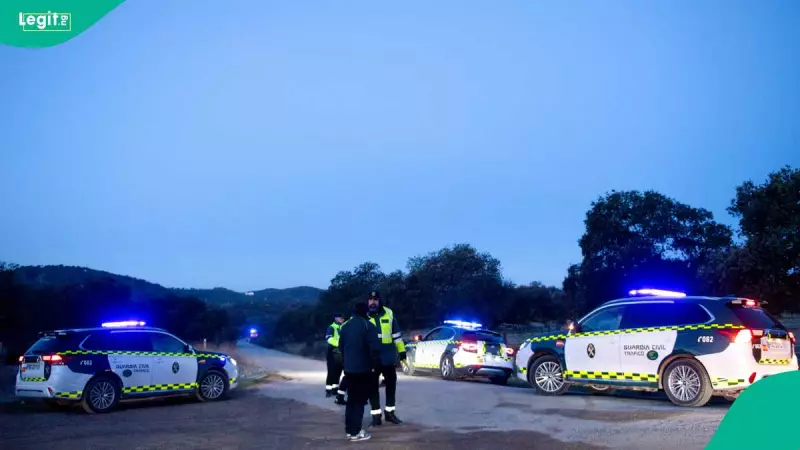
The tragedy unfolded on Sunday evening, January 18, 2026, at 19:45 local time (18:45 GMT). A train travelling from Málaga to Madrid derailed on a straight section of track and veered onto the opposite line, where it was struck by an oncoming train heading from Madrid to Huelva. The impact was so severe it pushed carriages into an embankment.
Spanish Transport Minister Óscar Puente described the event as "extremely strange," noting that railway experts were "extremely baffled" by the cause, which remains under investigation. The trains involved were carrying approximately 400 passengers and staff in total. One was a high-speed Freccia 1000 model, capable of speeds up to 400 km/h.
Rescue Efforts and National Response
Emergency services faced a gruelling task, battling twisted metal wreckage to reach survivors. Francisco Carmona, the fire chief of Córdoba, revealed the grim reality to RTVE, stating, "We have even had to remove a dead person to be able to reach someone alive. It is hard, tricky work."
Of the 122 people treated, 48 were hospitalised, including five children. Eleven adults and one child remained in intensive care. Survivors recounted terrifying moments. Journalist Salvador Jimenez, who was on board, said the impact felt like an "earthquake," while passenger José described scenes of chaos with people screaming for doctors.
Prime Minister Pedro Sánchez declared a "night of deep pain" for Spain. King Felipe VI and Queen Letizia expressed their "great concern" and condolences. International leaders, including French President Emmanuel Macron and Italian PM Giorgia Meloni, also offered sympathy. All rail services between Madrid and Andalusia were suspended.
Aftermath and Spain's Rail Safety Record
The Spanish Red Cross deployed emergency teams and psychological support, noting the "great anxiety" among families awaiting news. Support centres were set up at major stations. This disaster marks Spain's worst rail tragedy since the 2013 Galicia derailment that killed 80 people, casting a shadow over the nation's extensive high-speed network, the second-largest in the world.
As investigations continue and a nation grieves, the focus remains on supporting the victims' families and the injured while authorities work to determine how such a tragedy could occur on a modern rail system.