
CBN Announces 20 Banks Meet Recapitalisation Target Four Weeks Before Deadline
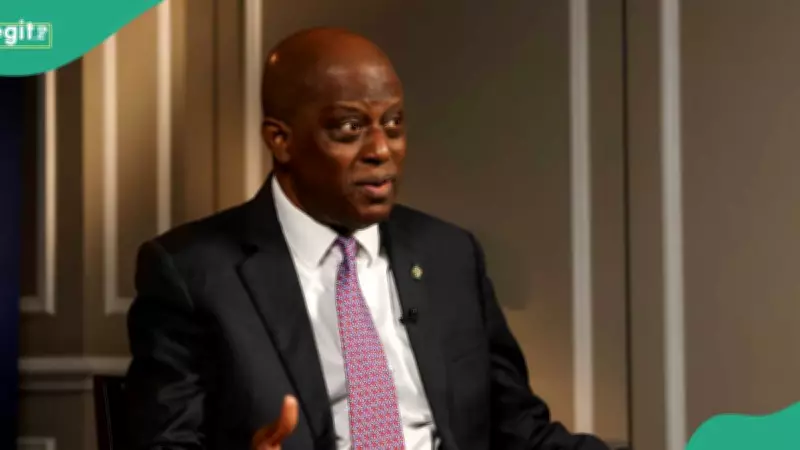
With just four weeks remaining until the March 31, 2026 deadline, the Central Bank of Nigeria has revealed that 20 out of 33 participating banks have successfully met the new minimum capital requirements under its comprehensive recapitalisation programme. Governor Olayemi Cardoso made this announcement during a press briefing following a two-day Monetary Policy Committee meeting in Abuja, marking a significant milestone in Nigeria's banking sector reforms.
N4.05 Trillion Capital Raised with Strong Domestic Participation
Governor Cardoso disclosed that banks have raised a verified and approved total of N4.05 trillion as part of the recapitalisation exercise. The breakdown shows that domestic sources contributed N2.90 trillion, representing 71.67 percent of the total amount raised. Foreign participation accounted for $706.84 million, equivalent to N1.15 trillion or 28.33 percent of the overall capital injection.
The CBN governor described this balance between local and foreign inflows as a clear indicator of broad investor confidence in Nigeria's banking sector. He noted that interest from international investors had been evident during previous engagements abroad and expressed satisfaction that this interest has now translated into tangible financial commitments.
13 Banks Still Finalising Recapitalisation Plans
While 20 institutions have crossed the new capital threshold, 13 banks are still working to complete their recapitalisation plans before the fast-approaching deadline. Some of these lenders are exploring strategic options, including potential mergers or other forms of consolidation to meet the requirements.
Cardoso explained that banks currently under regulatory intervention face unique legal and structural considerations that may affect the timing and sequencing of their capital-raising efforts. He stressed that it would be unrealistic to expect these institutions to follow the same timeline as banks that had more than two years to prepare for the recapitalisation exercise.
Despite these challenges, the governor reassured the public that depositors' funds remain safe and that affected banks continue to operate under close supervisory and regulatory oversight to safeguard financial stability.
Strengthening Nigeria's Financial System
The recapitalisation exercise, which began in early 2024, forms part of broader reforms aimed at building a more robust and shock-resistant banking sector. The primary goal is to ensure that Nigerian banks are sufficiently capitalised to absorb economic pressures and support long-term growth initiatives.
Financial analysts say the steady pace of capital raising is likely to:
- Bolster market confidence in Nigeria's banking sector
- Reduce systemic risks within the financial system
- Expand banks' capacity to lend to businesses and households
- Support the Federal Government's broader economic ambitions
The strong domestic participation points to sustained confidence within Nigeria's financial system, while foreign inflows highlight growing international interest in the sector's potential.
March 31 Deadline Remains Firm
Governor Cardoso reiterated that the March 31 deadline is non-negotiable and that the CBN remains fully engaged with all stakeholders to ensure the process concludes in an orderly, transparent, and credible manner. The central bank will continue to monitor progress closely and enforce regulatory standards to preserve the stability and integrity of the banking system.
With just weeks remaining, attention now turns to the 13 banks still working to meet the requirements and whether they can close the capital gap in time. For the majority that have already met the target, this milestone signals a new phase in Nigeria's banking reforms and establishes a stronger foundation for the financial sector's future development.
The recapitalisation policy, launched in 2024, introduced higher minimum capital thresholds across different banking categories as part of efforts to strengthen the resilience, stability, and global competitiveness of Nigeria's financial system amid growing economic complexity and rising capital demands.




