
Nigeria's financial identity landscape has reached a new milestone, with the latest data revealing significant growth in both biometric enrolment and bank account activity. The Nigeria Inter-Bank Settlement System (NIBSS) has released figures showing a sustained upward trajectory in the adoption of the Bank Verification Number (BVN) system, a cornerstone of the country's digital finance security.
Steady Growth in Biometric Identification
According to the NIBSS data released on January 9, 2026, the total number of BVN enrolments in Nigeria stood at 67.8 million as of December 2025. This represents a substantial increase of 4.3 million from the 63.5 million recorded in 2024. The year-on-year growth rate between 2024 and 2025 is calculated at 6.8 per cent, maintaining a consistent climb that underscores the system's deepening integration.
The five-year progression of BVN enrolments paints a clear picture of accelerating adoption:
- 2021: 51.9 million
- 2022: 56 million
- 2023: 60.1 million
- 2024: 63.5 million
- 2025: 67.8 million
This growth is widely attributed to persistent policy interventions and enforcement directives issued by the Central Bank of Nigeria (CBN). The regulatory push has been instrumental in driving both banks and customers to comply with the identity verification framework.
Bank Account Proliferation and the BVN Link
In a related development, NIBSS data from August 2025 indicates that the number of active bank accounts in Nigeria has soared to 325.6 million. This high figure encompasses all account types—savings, current, and corporate—held by customers across every bank in the country. It is important to note that this count includes multiple accounts held by single individuals, a common practice in the Nigerian banking sector.
The connection between the rising BVN count and the ballooning number of accounts is fundamental. The BVN system, launched on February 14, 2014, was conceived by the CBN and the Bankers' Committee as a direct countermeasure against rampant identity fraud. Its core objective was to establish a uniform identity management system for the entire banking industry.
How the BVN System Works and Its Impact
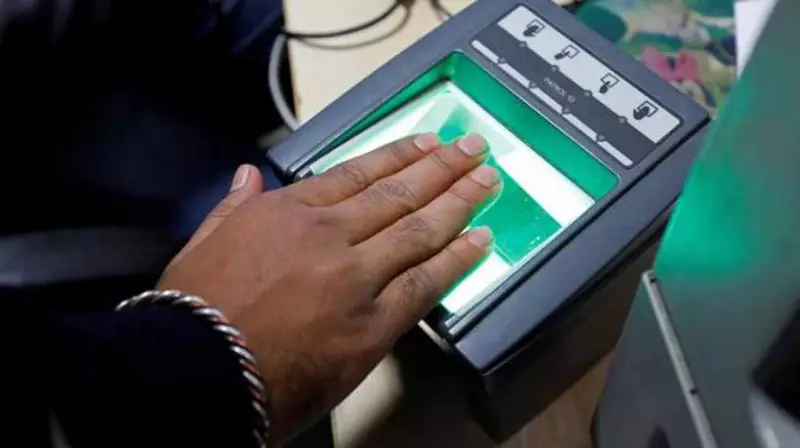
The process for obtaining a BVN was designed for accessibility. Customers simply visited any branch of their bank, completed a registration form, and had their biometrics—fingerprints and facial image—captured. Following a brief verification period, typically within 24 to 48 hours, a unique 11-digit BVN was generated and sent to the customer via SMS.
This single number then becomes the customer's financial identity, linked to all their bank accounts nationwide. Financial analysts consistently highlight this biometric-based security as a far more robust defence against identity theft compared to traditional passwords and PINs, which have proven vulnerable over time.
The concurrent rise in both BVN enrolments and active bank accounts signals a dual trend: an expanding financially included population and a strengthening of the security infrastructure that protects them. As Nigeria continues its push for broader financial inclusion, the integrity and coverage of the BVN database remain critical pillars for a safer and more efficient banking ecosystem.




