
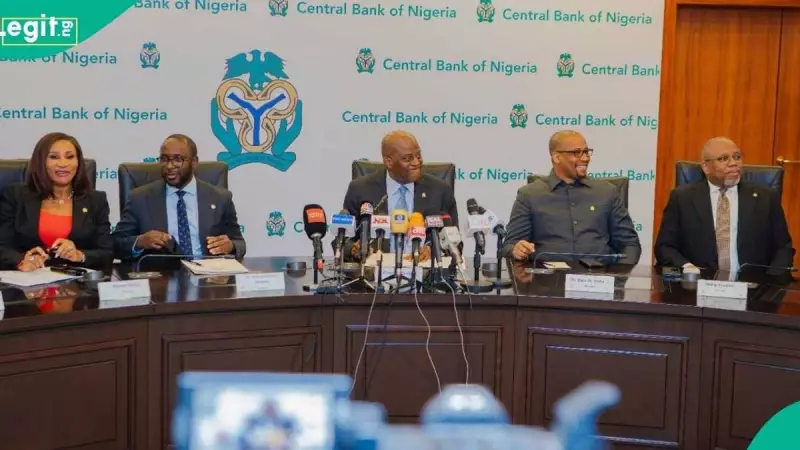
The Central Bank of Nigeria (CBN) has unveiled a cautiously optimistic economic blueprint for 2026, projecting a significant uptick in growth alongside a continued moderation in inflation. The bank's 2026 Macroeconomic Outlook, themed "Consolidating Macroeconomic Stability amid Global Uncertainty," provides a detailed forecast for the nation's economic trajectory in the coming year.
Key Economic Indicators for 2026
In its report published on December 30, 2025, the apex bank laid out specific numerical targets. Nigeria's Gross Domestic Product (GDP) is expected to expand by 4.49% in 2026, a notable increase from the 3.89% estimated for 2025. This growth is anticipated to be anchored by ongoing structural reforms, a rise in crude oil production, and the expanded capacity for domestic refining of petroleum products.
On the inflation front, the CBN foresees a welcome relief for Nigerian households and businesses. Headline inflation is projected to ease to an average of 12.94% in 2026. This decline is attributed to expected lower food and petrol prices, as well as improved coordination between fiscal and monetary policy authorities.
External Reserves and Policy Anchors
A major highlight of the outlook is the strengthening of Nigeria's external position. The country's foreign exchange reserves are projected to rise to US$51.04 billion. This build-up is expected to be supported by steady remittance inflows from the diaspora, higher export receipts, and the positive impact of increased local refining capacity on the trade balance. The CBN believes this will be crucial for maintaining stability in the foreign exchange market and supporting the naira.
The report identifies several key policy measures as fundamental to achieving these projections. These include:
- Foreign exchange market reforms designed to enhance price discovery and ensure stability.
- Improved fiscal conditions aimed at boosting government revenue from crude production and other sources.
- The implementation of the Nigeria Tax Act, 2025 to broaden the revenue base and stimulate Small and Medium-sized Enterprises (SMEs).
- The ongoing banking sector recapitalisation exercise to strengthen the financial system's resilience.
Furthermore, the CBN noted that after a prolonged period of monetary tightening, it eased its policy stance in September 2025 to support domestic growth. This shift was driven by continuing disinflation, sustained exchange rate stability, and improved liquidity conditions in the financial system.
Sustainability and Risks
Deputy Governor for Economic Policy, Muhammad Sani Abdullahi, reaffirmed the Bank's commitment to achieving price stability while fostering sustainable development. He urged all stakeholders, including policymakers and business leaders, to leverage the insights from the report.
The CBN, however, issued a note of caution. Achieving these positive projections is not automatic. It will require sustained commitment to reforms, prudent fiscal management, and careful navigation of both domestic and global risks. The public debt-to-GDP ratio is expected to remain sustainable at 34.68%, reflecting ongoing fiscal discipline.
In the oil sector, crude production is projected at 1.71 million barrels per day, supported by new investments in exploration and the enhanced domestic refining capacity. The CBN's outlook presents a path toward a more stable and competitive Nigerian economy, contingent on consistent policy implementation and a favourable external environment.




