
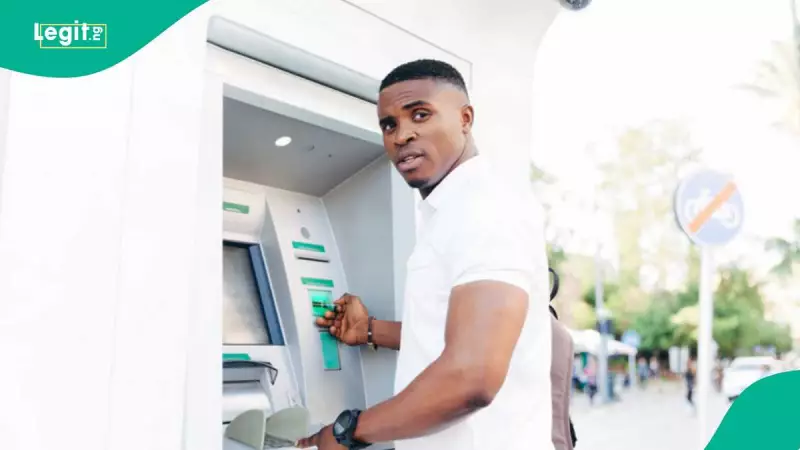
The Central Bank of Nigeria (CBN) has commenced the new year with a decisive move, issuing fresh operational directives to all commercial banks in the country. The mandate, aimed at financial institutions like Access Bank, United Bank for Africa (UBA), and Zenith Bank, is designed to ensure consistent and reliable cash availability for Nigerians throughout 2026.
CBN's End-to-End Strategy Ends Festive Season Cash Crunch
For the first time in several years, the recent Christmas and New Year period passed with remarkably few reports of cash scarcity. This marked a significant departure from previous seasons, which were typically characterized by long queues at banking halls and non-functional Automated Teller Machines (ATMs).
The positive change is attributed to the work of a high-level committee established by the CBN and chaired by its Governor, Olayemi Cardoso. The committee conducted a thorough review of the perennial cash shortage problem and implemented structural solutions. According to reports, the apex bank adopted an end-to-end approach, scrutinizing the entire cash lifecycle from printing and transportation to distribution and final access by consumers.
Spot checks in major cities including Lagos, Abuja, Kano, and Calabar confirmed improved access. Traders and small business owners reported fewer hurdles in obtaining cash for daily transactions. In Lagos areas such as Victoria Island, Ikoyi, and Ibeju-Lekki, the notorious festive queues were conspicuously absent.
Bank Customers and Regulators Hail the Development
Bank customers across the nation have expressed relief at the smoother banking experience. Mrs. Nkiru Onyema, a customer in Lagos, reported withdrawing N20,000 over the counter in under 10 minutes. Similarly, Stephen Abiodun noted he accessed cash from an ATM within 15 minutes without hassle, stating that the reduced waiting times allowed people to engage in more productive activities.
The President of the Bank Customers Association of Nigeria, Dr. Uju Ogubunka, described the situation as a major relief. He urged commercial banks to proactively request cash from the CBN to meet customer demand, emphasizing that physical cash remains essential despite the growth of digital payments.
The CBN's new framework includes several key enforcement measures:
- Adjustments to cash printing models.
- New guidelines on optimal ATM-to-card ratios.
- Stricter approval requirements for banks seeking to close ATMs or branches.
- Sanctions for banks with chronically non-dispensing ATMs.
- Tighter nationwide supervision of Point of Sale (PoS) operators.
Digital Push and Branch Closures Continue Alongside Cash Drive
While reinforcing physical cash access, the CBN continues to aggressively drive Nigeria's digital finance agenda. The Payment System Vision roadmap has been extended to 2028, focusing on modernizing infrastructure and enhancing cybersecurity. Over 12 million contactless payment cards are now in circulation, and the CBN's regulatory sandbox supports more than 40 fintech innovators.
In a related development, the banking landscape is undergoing a significant digital transformation. Data from the CBN's 2024 Financial Sector Statistical Bulletin reveals that Deposit Money Banks shut down 229 physical branches and cash centers in one year. The total number fell from 5,373 in 2023 to 5,144 in 2024, even as the number of licensed banks increased from 33 to 35.
In a move to improve convenience for international visitors and diaspora Nigerians, the CBN also recently directed banks and fintechs to ensure the uninterrupted use of foreign-issued payment cards across ATMs, POS terminals, and online platforms. This directive was communicated in a circular signed by Rita Sike, Director of the Financial Policy and Regulation Department.
Together, these measures illustrate the CBN's balanced regulatory stance as it navigates the dual objectives of ensuring robust cash access and accelerating digital transformation within Nigeria's evolving financial ecosystem.




