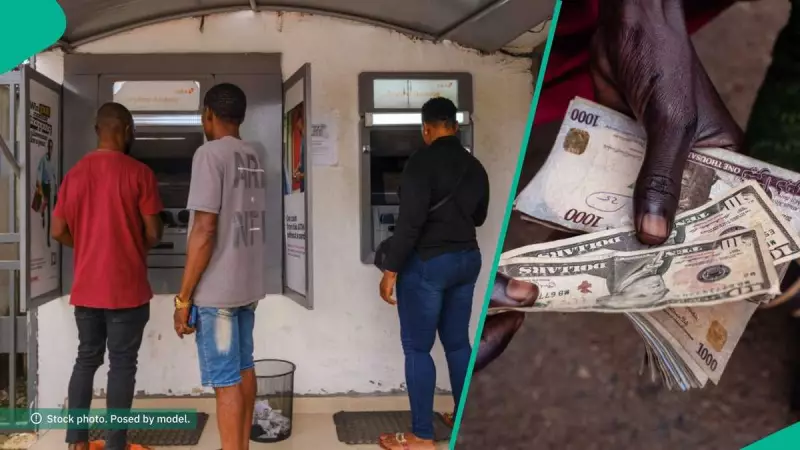
The Central Bank of Nigeria (CBN) has issued a sweeping directive to financial institutions, ordering them to reconfigure all automated teller machines (ATMs), point-of-sale (PoS) terminals, and virtual payment platforms to accept foreign-issued payment cards seamlessly. This move, announced in a circular dated December 21, 2025, aims to standardize and improve the experience for international card users across the country.
Enhanced Security for High-Value Transactions
As part of the new framework, the apex bank has introduced stringent security protocols. Banks and non-bank acquirers must implement multi-factor authentication for all foreign card withdrawals and online transactions exceeding $200 per day. This security layer also applies to cumulative transactions above $500 in a week and $1,000 within a month.
The circular, signed by Rita Sike, Director of the Financial Policy and Regulation Department, emphasizes that this measure is designed to strengthen transaction security while facilitating smoother operations for tourists, business travelers, and Nigerians returning from abroad.
Key Directives for Banks and Acquirers
The CBN's instructions cover several critical operational areas. All card acceptance devices must now comply with international card association standards and possess the necessary certifications. Furthermore, these terminals must be configured to work efficiently with Nigerian acquirers.
For ATM transactions, strict adherence to approved cash withdrawal limits is mandatory. Acquirers are also instructed to provide clear, upfront disclosure of the applicable market-driven exchange rates—based on the prevailing official rate—and all associated charges. A transaction can only be completed after the customer accepts these terms.
To ensure system liquidity, the CBN has directed acquirers to maintain sufficient funds to settle transactions promptly, ensuring merchants are paid in Nigerian Naira. The bank also mandated the deployment of advanced transaction monitoring tools to detect unusual patterns in foreign card usage.
Robust Compliance and Consumer Protection Measures
The circular outlines comprehensive compliance requirements. Acquirers must implement robust and auditable chargeback management processes aligned with card scheme rules and CBN guidelines. This includes timely dispute resolution, proper evidence collation, and issuing refunds where necessary.
Transaction records, including terminal approval slips and signed receipts, must be retained for at least 12 months and be retrievable within 24 hours upon request. Quarterly training for merchants and agent networks on handling disputes and chargebacks is now compulsory.
Additional measures include strengthening Know-Your-Customer (KYC) and Anti-Money Laundering (AML) controls for merchants. Merchants are required to ensure card-present transaction receipts are properly signed and to request valid identification for any suspicious transactions.
The CBN further directed that all card acceptance devices support contactless payments for low-value transactions. Consumer complaints related to these services must be resolved within approved timelines.
Reporting and Fraud Prevention
In a bid to curb illicit activities, banks and acquirers must report any suspicious transactions linked to foreign cards to the Nigeria Financial Intelligence Unit (NFIU). Fraud-monitoring systems are to be recalibrated to minimize false declines on legitimate transactions, reducing inconvenience for genuine users.
The CBN advised individuals experiencing difficulties using foreign-issued cards to report incidents to its Consumer Protection Department via the email address: complaint4cbn@cbn.gov.ng.
This landmark directive represents a significant step towards integrating Nigeria's payment infrastructure with global standards, potentially boosting tourism and cross-border commerce by removing a major friction point for international visitors and citizens alike.