
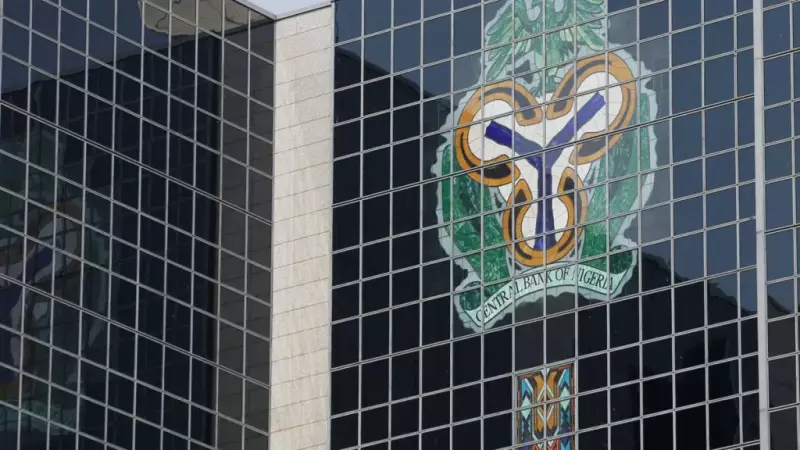
For the first time in recent memory, Nigerians celebrated the 2025 Christmas and New Year holidays without the usual complaints of cash scarcity. This significant relief, felt across major cities from Lagos to Abuja and Kano, is attributed to decisive reforms implemented by the Central Bank of Nigeria (CBN).
A Holistic Strategy to Solve a Perennial Problem
The turnaround began when CBN Governor, Olayemi Cardoso, established a special committee to conduct a comprehensive review of the entire cash lifecycle. The committee examined every stage, from the production of naira notes to their transportation, distribution, and final access by consumers at banks and ATMs. This end-to-end analysis allowed the apex bank to target root causes rather than just symptoms.
The results were immediately visible. In markets and bank branches nationwide, the notorious long queues vanished. Mrs. Nkiru Onyema, a bank customer, reported spending just ten minutes to withdraw N20,000 over-the-counter—a process that previously took hours. Bank ATMs remained loaded and functional, while Point of Sale (PoS) terminals operated without hitches.
Dr. Uju Ogubunka, President of the Bank Customers Association of Nigeria (BCAN), expressed great relief at the development. The CBN backed its operational guidelines with strict enforcement, fining several Deposit Money Banks (DMBs) N150 million each for failing to ensure cash availability at their ATMs during the yuletide season.
Digital Payments and Foreign Card Access Take Center Stage
Parallel to solving the physical cash crunch, the CBN aggressively advanced Nigeria's digital finance transformation. Governor Cardoso revealed that more than 12 million contactless payment cards are now in circulation, and the regulatory sandbox hosts over 40 fintech innovators. Nigeria's fintech ecosystem, responsible for eight of Africa's nine unicorns, saw leading apps surpass 10 million downloads each by mid-2025.
In a major move to boost tourism and diaspora remittances, the CBN issued a landmark circular mandating banks and financial institutions to ensure seamless use of foreign-issued payment cards. Directed by Rita Sike of the Financial Policy and Regulation Department, the circular requires all ATMs and POS terminals to accept international cards.
The new rules include clear disclosure of exchange rates and charges, multi-factor authentication for large transactions, and robust fraud monitoring to reduce false declines. Tourists and returning Nigerians facing difficulties are advised to report to the CBN's Consumer Protection Department.
Building a Foundation for Lasting Stability and Innovation
Governor Cardoso emphasized that the CBN's vision extends beyond immediate fixes. The bank has extended its Payment System Vision roadmap to 2028, focusing on modernizing infrastructure and strengthening cybersecurity. New policies like the migration to the ISO 20022 standard for payment messaging and mandatory geo-tagging of payment terminals aim to entrench transparency and security.
While celebrating Nigeria's position as a leader in digital payments in Africa, Cardoso issued a stern warning to fintechs and banks. He urged them to strengthen their Know-Your-Customer (KYC) processes and transaction monitoring to prevent platforms from being exploited for fraud. The CBN maintains a zero-tolerance stance towards compliance violations.
The central bank continues to collaborate with security agencies to crack down on illegal cash sales and enforce daily withdrawal limits for POS operators. With these multifaceted reforms, the CBN aims to foster enduring public trust, guarantee seamless cash circulation, and solidify Nigeria's reputation as a hub of financial innovation.




