
In a significant development for Nigeria's financial sector, FCMB Group Plc has officially met the new capital requirements set by the Central Bank of Nigeria (CBN). This achievement ensures the bank retains its national banking licence and continues full domestic operations, joining a growing list of compliant institutions as the industry-wide deadline of March 31, 2026, approaches.
CBN Reports Accelerated Bank Compliance
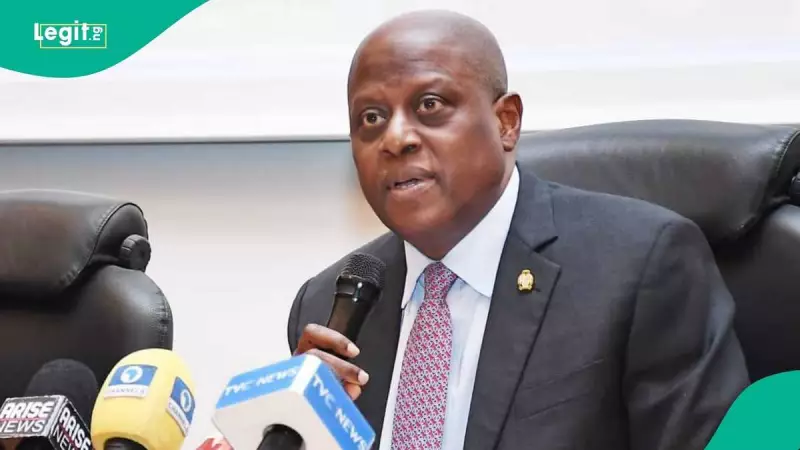
The confirmation came alongside an update from the CBN, revealing that 20 deposit money banks have now achieved compliance under the ongoing recapitalisation programme. Dr Muhammad Abdullahi, the Deputy Governor for Economic Policy at the CBN, disclosed this progress on Thursday, January 19, 2026, at the launch of the Nigerian Economic Summit Group's 2026 Macroeconomic Outlook in Lagos.
This marks an increase from the 16 compliant banks previously announced by CBN Governor Olayemi Cardoso in late 2025, signalling accelerated efforts across the sector. Banks are racing to meet the revised regulatory thresholds, which mandate a minimum paid-up capital of N500 billion for international licences and N200 billion for national licences.
How FCMB Secured Its National Licence
For FCMB, the milestone was reached following the successful completion of a N147.5 billion public offer in 2024. This capital raise propelled its flagship subsidiary, First City Monument Bank, comfortably above the N200 billion threshold required for a national banking licence.
Under the leadership of its CEO, Yemisi Edun, the bank has effectively mitigated near-term regulatory risk, guaranteeing business continuity within Nigeria. However, FCMB's ambitions extend beyond domestic stability.
Eyeing International Expansion
While secured with a national licence, FCMB Group is actively pursuing the capital benchmark needed for an international authorisation. The financial holding company has launched a N160 billion offer in late 2025 and has a shareholder-approved capital raising programme of up to N400 billion, pending regulatory nods.
If fully executed, these initiatives would push the group's capital above the N500 billion international threshold, unlocking opportunities for cross-border expansion and enhanced long-term growth.
Diverging Strategies Across the Banking Landscape
The recapitalisation drive has revealed varying strategies among Nigerian banks. Several tier-one lenders, including Access Bank, Zenith Bank, Guaranty Trust Bank, United Bank for Africa, Fidelity Bank, and First Bank of Nigeria, have already positioned themselves above the international capital requirement.
Other banks, such as Stanbic IBTC Bank, Standard Chartered Bank, Rand Merchant Bank Nigeria, and Wema Bank, are widely expected to retain their national licences. Analysts note that these differences reflect each institution's unique capital strength, risk appetite, and strategic timing, rather than direct regulatory pressure.
For investors and the sector at large, the recapitalisation is reshaping the competitive landscape. Professional services firm PwC, in its 2026 economic outlook, highlighted that this capital drive, alongside evolving fintech frameworks, is attracting stronger institutional and international investor interest to Nigeria's banking sector.




