
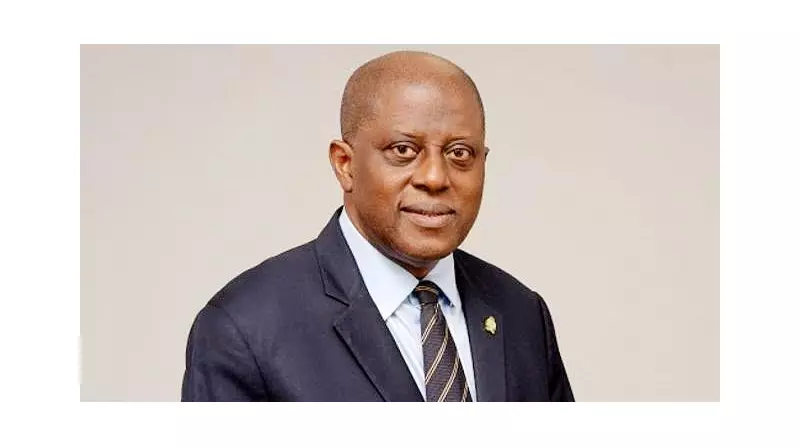
The Governor of the Central Bank of Nigeria (CBN), Mr. Olayemi Cardoso, has delivered a significant piece of economic news, announcing a dramatic increase in foreign capital flowing into the country. This development offers a glimmer of hope for an economy in need of stability, though its direct impact on the average Nigerian's pocket is yet to be felt.
A 70% Leap in Foreign Investment
Speaking at the Chartered Institute of Bankers of Nigeria (CIBN) 60th annual bankers’ dinner in Lagos, Governor Cardoso revealed striking figures. He stated that foreign capital inflow to Nigeria rose by 70 per cent above 2024 levels within the first ten months of 2025. The total inflow reached a substantial $20.98 billion. To put this in perspective, Cardoso noted this sum is over 400 per cent higher than the meagre $3.9 billion recorded in 2023.
Such inflows are a critical barometer of economic health. They signal growing international confidence in Nigeria's business climate and its potential for delivering safe and meaningful returns on investment. For the ordinary citizen, the immediate and short-term effects of this capital surge are of paramount interest, creating an expectation that the CBN will keep public welfare central to its monetary policy decisions.
The FATF Delisting: A Key Catalyst for Confidence
While financial reforms under the Tinubu administration, particularly the harmonisation of foreign exchange markets, have contributed, analysts point to a more decisive factor. The primary driver behind this investor confidence is Nigeria's removal from the Financial Action Task Force (FATF) grey list.
The FATF, the global watchdog against money laundering and terrorist financing, had previously placed Nigeria on its "grey list." This listing indicated strategic deficiencies in the country's anti-money laundering and counter-terrorist financing frameworks, casting a shadow over its financial integrity during the Buhari administration. Being on this list made international investors wary of moving funds into Nigeria.
Governor Cardoso acknowledged this shift in his address. Nigeria's delisting from the FATF grey list has effectively reassured the global community, signalling that the country is now a safer destination for capital. This restored confidence is directly linked to the recorded surge in foreign investment.
Sustaining Growth and Channeling Funds for Impact
The current challenge is to ensure the mistakes of the past are not repeated. Positive steps have been noted, such as the Nigerian authorities, under reported international pressure, recently publishing a list of names associated with terrorism financing—a move unlike the previous administration's approach. This action aims to drastically reduce suspected illicit financial flows and safeguard Nigeria's standing with the FATF.
As the CBN celebrates this progress, it must also focus on its core mandate regarding these new funds. The increased supply of foreign currency should benefit the exchange market and, crucially, be leveraged to boost lending to the real economy. Special attention must be paid to Micro, Small, and Medium-sized Enterprises (MSMEs), which are the engine of job creation and economic growth.
From the Governor's speech, the CBN's strategic priorities for 2026 include strengthening banking supervision, ensuring price stability, modernising payments, fostering responsible fintech, building capacity, and deepening partnerships. These goals must be pursued cohesively to achieve macroeconomic objectives like price stability and reasonable economic growth.
Ultimately, Nigerians are eager to see these high-level figures translate into tangible improvements. The true test of this foreign capital influx will be whether it leads to a better economic environment, improved living standards, and restored purchasing power for the average citizen, stemming the tide of youth seeking opportunities abroad.




