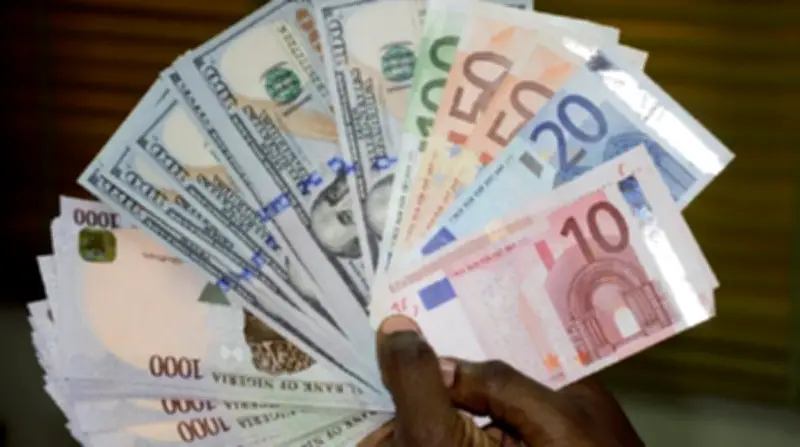
The Nigerian naira strengthened to N1552 per dollar in the official foreign exchange market on Wednesday, marking a 2.3% gain from the previous close of N1588. The appreciation was driven by sustained dollar supply and the Central Bank of Nigeria's (CBN) hawkish monetary stance.
CBN High Interest Rates Attract Foreign Inflows
The CBN has maintained its monetary policy rate at 26.75% for the third consecutive meeting, a level analysts say continues to attract foreign portfolio investors. According to data from the FMDQ Securities Exchange, the naira closed at N1552/$1, the strongest level in two weeks. Total turnover in the FX market rose to $285 million, up from $212 million the previous day, indicating improved liquidity.
“The combination of high yields and a clear policy direction from the CBN has boosted confidence among foreign investors,” said Dr. Aminu Gwadabe, President of the Bureau De Change Operators Association of Nigeria. “We are seeing a steady return of capital inflows, which is supporting the naira.”
Steady FX Supply Eases Pressure
The apex bank has also increased its dollar sales to authorized dealers, with $120 million injected this week to clear the backlog of unmet demand. The CBN Governor, Olayemi Cardoso, reiterated the bank's commitment to a market-determined exchange rate but with active intervention to curb volatility. “Our priority is to ensure a stable and transparent FX market that serves the real economy,” Cardoso said at a recent press conference.
The naira's strength has also been buoyed by a decline in demand for personal and business travel allowances, as schools abroad are on summer break. Market participants expect the CBN to maintain its current policy stance until inflation, which eased to 24.8% in June, falls closer to the target band of 6%-9%.
Impact on the Economy and Businesses
A stronger naira is good news for importers, as it reduces the cost of raw materials and finished goods. Manufacturers have long complained about FX scarcity pushing up production costs. “We are beginning to see some relief in procurement costs, but we need sustained stability for it to translate to lower prices for consumers,” said Segun Ajayi-Kadir, Director General of the Manufacturers Association of Nigeria.
On the flip side, exporters, especially those in non-oil sectors, are feeling the pinch as their proceeds in naira decline. The CBN has urged exporters to diversify their markets and hedge against currency fluctuations. The external reserves, which stood at $36.7 billion as of July, provide a buffer for the naira in case of sudden shocks.
Forward Market and Future Outlook
In the forwards market, the one-month forward rate was quoted at N1550, while the three-month forward was at N1560, suggesting market expectations of relative stability. The gap between the official and parallel market rates has narrowed to less than N10, indicating reduced arbitrage opportunities. Bureaux de Change reported selling the dollar at N1560 on Wednesday.
Going forward, analysts say the direction of the naira will depend on oil prices, global monetary policy, and the pace of domestic reforms. With crude oil prices hovering around $80 per barrel, Nigeria's oil revenue remains modest but sufficient to support the FX market if production stays above 1.5 million barrels per day. The CBN has also hinted at introducing a new FX code to enhance transparency and compliance among market participants.