
Nigerian Banking Sector Braces for Consolidation as CBN Recapitalisation Deadline Nears
As the March 31, 2026 recapitalisation deadline set by the Central Bank of Nigeria draws closer, uncertainty looms over 13 banks that are still striving to meet the new minimum capital thresholds. This pivotal moment could reshape Nigeria's banking landscape, with potential mergers and acquisitions on the horizon for institutions unable to comply.
Progress and Optimism Amidst Uncertainty
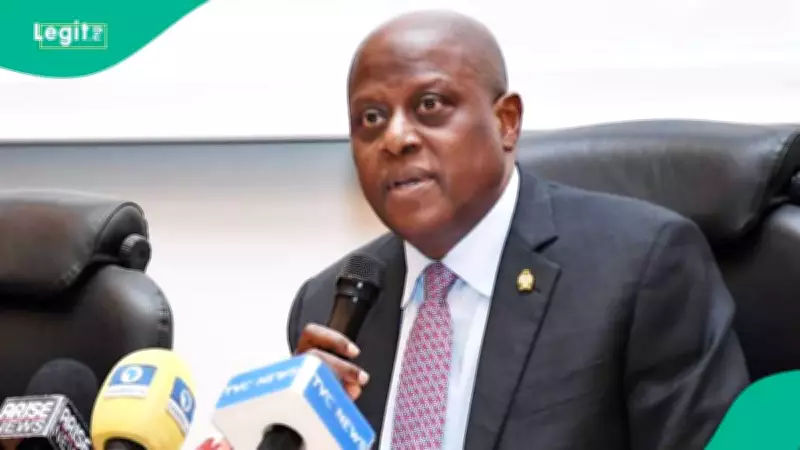
At the conclusion of the latest Monetary Policy Committee meeting, CBN Governor Olayemi Cardoso revealed that 20 banks have already fully satisfied the revised capital requirements. He further noted that another 13 lenders are at advanced stages of compliance, raising hopes that widespread disruption might be avoided. Industry experts express cautious optimism, highlighting that many banks appear well-prepared for the recapitalisation challenges ahead.
Management consultant Boniface Chizea described the progress as impressive, especially when compared to past capital hikes that triggered panic and sweeping mergers. According to a Punch report, he emphasized that many analysts had feared a dramatic shake-up similar to earlier reforms that forced banks into hurried combinations. Instead, most institutions have tapped internal reserves and capital buffers to strengthen their positions, suggesting that the systemic shock once anticipated may not materialize at the scale initially feared.
Potential Mergers and Alternative Strategies
Despite the optimism, Chizea acknowledged that lenders unable to meet the regulatory line may have little alternative but to merge. He stressed that in any consolidation, depositor protection must remain paramount, ensuring that bank customers do not bear the consequences of capital shortfalls through restricted access to deposits or service disruptions. Any merger arrangement must prioritize financial stability and public confidence.
Chief Executive of Arthur Steven Asset Management, Tunde Amolegbe, believes merger discussions may already be taking place discreetly behind closed doors. While no formal announcements have surfaced, he noted that such negotiations are often conducted privately until agreements are firm. He recalled the consolidation era under former CBN Governor Charles Soludo, when the regulator facilitated combinations among struggling banks to preserve financial stability, suggesting this precedent remains an option if certain institutions fail to meet the target before the deadline.
Beyond mergers, Amolegbe identified alternative capital-raising routes. Some banks may pursue private placements, seeking injections from institutional investors and high-net-worth individuals. Others could explore licence downgrades, aligning their operations with lower capital categories permitted under the framework. The likelihood of forced consolidation largely depends on whether the CBN stands firm on the March deadline or grants additional time to ease pressure on weaker institutions.
Reassuring Outlook and New Capital Benchmarks
Ayokunle Olubunmi, Head of Financial Institutions Ratings at Agusto & Co, offered a more reassuring outlook. According to him, several banks described as being at advanced stages have already secured the required funds. In many cases, the money has been deposited with the regulator and is undergoing verification, indicating that the majority may ultimately secure approval before the cut-off date. He clarified, however, that the recapitalisation update excludes three banks currently under regulatory intervention, which face separate supervisory processes and more complex challenges beyond capital adequacy.
Under the revised framework, banks with international licences must raise minimum paid-up capital to N500 billion, while national banks are required to meet a N200 billion threshold before March 31, 2026. Regional commercial and merchant banks must hold N50 billion, and non-interest banks are expected to maintain N20 billion for national operations and N10 billion for regional licences.
Case Study: Unity-Providus Merger Success
In a positive development, the proposed merger between Unity Bank Plc and Providus Bank Limited has crossed a major regulatory milestone, exceeding the N200 billion minimum capital requirement set by the Central Bank of Nigeria for a national banking licence. Unity Bank confirmed in a statement released on Wednesday, February 18, 2026, that the combined capital base of the two lenders now surpasses the recapitalisation threshold, dismissing reports suggesting the merger process had stalled.
As the clock ticks down, the coming weeks will reveal whether Nigeria's banking sector closes this chapter with stability or enters another era of strategic mergers and structural change. Industry observers warn that these critical days could determine the future trajectory of the nation's financial landscape, with all eyes on the CBN's next moves.




