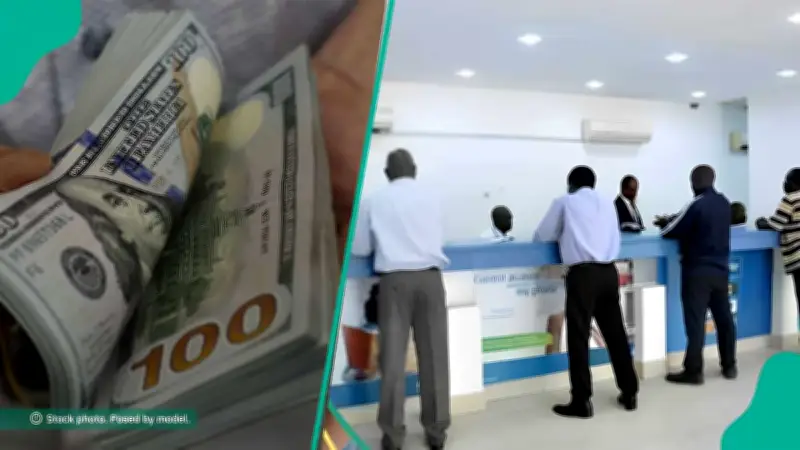
Guaranty Trust Bank (GTBank) has increased its quarterly international spending limit on naira debit cards to $20,000, a significant jump from the previous $6,000 cap. This move reflects growing confidence among Nigerian banks in foreign exchange availability following recent Central Bank of Nigeria (CBN) reforms.
The new limit is more than three times the old quarterly cap and represents a 20-fold increase from the $1,000 ceiling that was in place as recently as July 2025. This adjustment is part of a broader trend among Nigerian lenders to relax restrictions on international card transactions.
Access Bank and UBA Set New Limits
Access Bank has structured its international card limits by card type. Customers holding Visa Signature and Visa Platinum cards can now spend up to $3,000 per month on international transactions, while those with Visa Classic and Mastercard cards are limited to $2,000 per month. The bank recently quoted an exchange rate of N1,378 per dollar for international payments processed through its naira cards.
United Bank for Africa (UBA) applied the same rate of N1,378 per dollar for naira card international transactions as of August 3, 2026. The bank advised customers to process their international payments early in the day, noting that exchange rates are revised daily to reflect prevailing market conditions.
Not all banks have moved in the same direction. Stanbic IBTC currently caps international spending on its naira debit cards at $100 per month, covering point-of-sale terminals, web payments, and ATM withdrawals abroad.
CBN's Broader FX Reforms
The upward revisions by individual banks follow a series of CBN measures designed to stabilise the foreign exchange market and widen access to dollars for legitimate purposes, as reported by BusinessDay. As part of its updated foreign exchange manual, the CBN increased the maximum amount Nigerian students abroad can receive in tuition fee remittances to $25,000 per semester, up from the previous $15,000 ceiling.
The relaxation of card limits is widely seen as a sign that banks have grown more confident in the supply of foreign exchange available to cover international card transactions. For Nigerian consumers, the higher thresholds could ease the friction previously associated with paying for travel, online purchases, education, and business expenses in foreign currency.
Naira Slightly Declines at Official Market
Earlier, Legit.ng reported that the naira recorded a marginal decline against the US dollar, while other major currencies remained relatively stable. Fresh data from the CBN showed that the naira slipped slightly against the dollar on Tuesday, May 19, at the official Nigerian Foreign Exchange Market (NAFEM). The local currency closed at N1,373.87 per dollar, representing a 17-kobo or 0.01% decline from the N1,373.70/$1 recorded in the previous trading session.