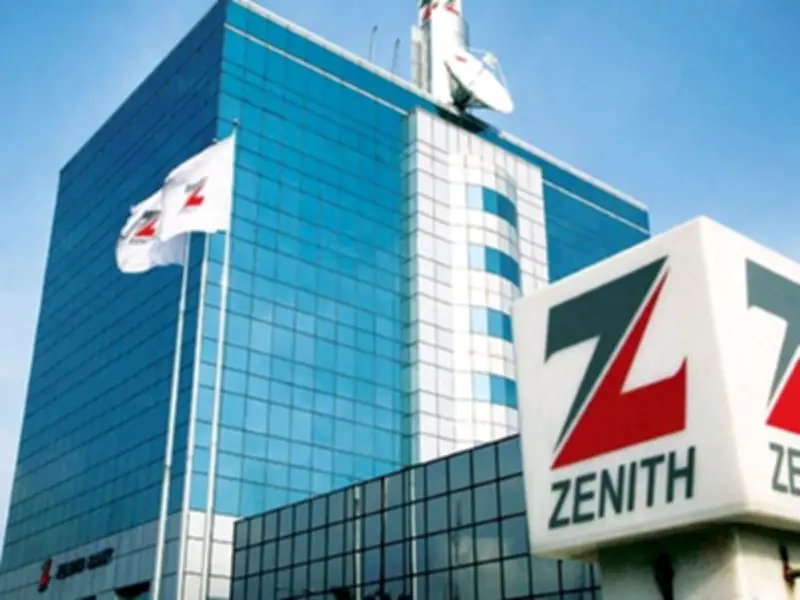
Zenith Bank Plc has received approval from the Nigerian Exchange (NGX) for a six-week extension to file its half-year (H1) 2026 financial results. The new deadline is October 12, 2026, moving the original filing date from August 31, 2026.
The bank disclosed this in a regulatory filing signed by the Company Secretary, Michael Otu, and submitted to the NGX on August 19, 2026. According to the filing, the extension was granted under Rule 3.1 of the NGX's Rules for Filing of Accounts and Treatment of Default Filing, which allows listed companies to request additional time under certain circumstances.
Reason for the Extension Request
Zenith Bank attributed the delay to the need for more time to finalize its financial statements. The bank stated that it is working diligently to ensure the accuracy and completeness of the reports before submission. The extension is a standard practice within the Nigerian capital market, where companies occasionally seek extra time to comply with regulatory deadlines.
Under NGX rules, companies that fail to meet the original deadline without an approved extension face penalties, including a fine of N10 million for the first day of default and an additional N100,000 for each subsequent day the filing remains outstanding. By securing the extension, Zenith Bank avoids these penalties and maintains its good standing with the exchange.
Impact on Investors and Market Confidence
The extension has implications for investors and analysts who rely on timely financial data to make informed decisions. Zenith Bank is one of Nigeria's largest financial institutions by market capitalization, and its H1 2026 results are closely watched as a barometer for the banking sector's performance. The delay means that shareholders will have to wait until October to assess the bank's half-year performance, including key metrics such as profit after tax, earnings per share, and non-performing loan ratios.
Market analysts note that the extension is not unusual, especially during periods of complex accounting or regulatory changes. However, they emphasize that consistent delays could erode investor confidence over time. Zenith Bank has not indicated any material issues that would affect its financial position, and the bank remains in compliance with all other regulatory requirements.
Historical Context and Regulatory Framework
The NGX's Rule 3.1 provides a mechanism for companies to request extensions, subject to the exchange's discretion. The rule is designed to balance the need for timely disclosure with the practical challenges companies face in preparing accurate financial statements. In recent years, several Nigerian banks have sought similar extensions, including First Bank of Nigeria Holdings and Access Bank, which cited reasons ranging from system upgrades to changes in accounting standards.
Zenith Bank's request comes at a time when the Central Bank of Nigeria (CBN) has been tightening reporting requirements for financial institutions, including stricter guidelines on loan provisioning and capital adequacy. The bank's ability to secure the extension suggests that the NGX is satisfied with the reasons provided and that the bank is not in violation of any material obligations.
As of the date of the filing, Zenith Bank's shares were trading at N42.50 per share on the NGX, with a year-to-date gain of 12.5%. The bank's last published annual report for the 2025 fiscal year showed a profit after tax of N1.2 trillion, representing a 15% increase from the previous year. The H1 2026 results are expected to provide further insight into the bank's growth trajectory amid a challenging macroeconomic environment characterized by high inflation and currency volatility.