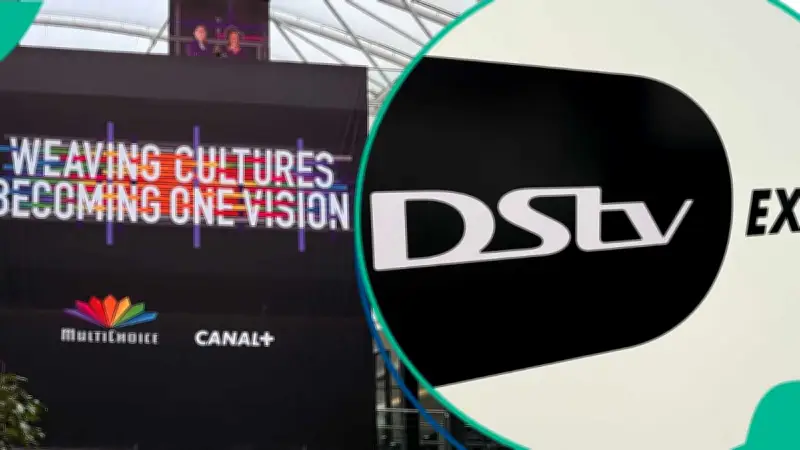
DStv has unveiled its biggest package and content shake-up in more than two decades, introducing a new visual identity, fresh subscription tiers, and major changes to its channel lineups. The pay-TV giant announced the sweeping changes at a media event at its Randburg headquarters in South Africa on Monday, September 7, 2026, with the new packages scheduled to roll out from September 17.
New Look, New Branding
Alongside the package overhaul, DStv unveiled new black branding, new colours, and a refreshed logo featuring “DStv Expect+” messaging. The new colours and prominent “+” iconography reflect the branding of Canal+, the French media conglomerate that acquired MultiChoice at the end of 2025. The rebrand signals a new era for DStv as it attempts to reshape its offering in an increasingly competitive streaming and pay-TV market.
But the biggest change is not the logo—it is what subscribers will actually receive for their money. The restructuring gives customers more specialised options but could also force some viewers to rethink their subscriptions, according to a report by MyBroadband.

DStv Compact Becomes a Sports Package
One of the most significant changes will see DStv Compact, currently available at R399 per month on streaming-only plans, transformed into DStv Sports. The new package will focus heavily on sports and will include SuperSport's Premier League and UEFA content, PSL football, international cricket, local rugby, one URC match per week, and UFC.
However, subscribers looking for premium sporting events will have to move higher up the ladder. DStv Sports will not include Formula 1, MotoGP, premium international rugby such as Springbok matches, golf, or ATP tennis. That means sports fans will need to carefully consider which competitions matter most before choosing a package.
M-Net Moves Beyond Premium for the First Time
DStv is also introducing a new standalone Movies & Series package costing R500 per month. The package will carry 115 TV channels and, most notably, include M-Net, DStv's flagship entertainment channel. This marks a major departure from the company's traditional package structure. Since DStv launched in 1995, M-Net has only been available on DStv Premium. The move could make premium entertainment more accessible to subscribers who cannot justify paying for the highest-tier package.
New Prices and Channel Lineups
DStv's restructured streaming-only packages will be organised as follows:
- Starter: R99 monthly – formerly DStv Access, with 85 TV channels and selected sports, including Premier League matches of the week on SuperSport Kickoff.
- Select: R299 monthly – formerly DStv Family, with 100 TV channels, including PSL football, Mzansi Magic, and Nickelodeon.
- Sports: R399 monthly – formerly DStv Compact, with 115 channels and major Premier League, UEFA, and T20 cricket coverage.
- Movies & Series: R500 monthly – 115 channels, including M-Net.
- Compact Plus: R549 monthly – not detailed at the launch and expected to remain largely unchanged.
- Premium: R799 monthly – 130 channels, including Formula 1, MotoGP, premium rugby, golf, and ATP tennis.
DStv EasyView, priced at R29 per month, was not mentioned in the new package structure. Importantly, the announced prices apply to streaming-only subscriptions. DStv's decoder-based subscription fees are expected to remain unchanged.
What the Changes Mean for Subscribers
Sports fans may find the new DStv Sports package attractive at R399. At the same time, movie and entertainment lovers could benefit from gaining access to M-Net without paying the Premium price, according to a report by MyBroadband. However, viewers who want a broad mix of top-level sports and entertainment may still need the more expensive packages.

For millions of viewers, September 17 will therefore mark more than a branding change. It will mark the start of a new DStv era, with subscribers paying closer attention to what their monthly subscription delivers. This overhaul follows Canal+'s takeover of MultiChoice and aims to enhance subscriber options with five distinct packages. As subscribers brace for these significant changes, the inclusion of popular sports channels raises questions about access to high-profile events, which could significantly impact viewing habits.