Nigerian Engineer's Long-Term DStv Subscription Uncovers Pricing Insights
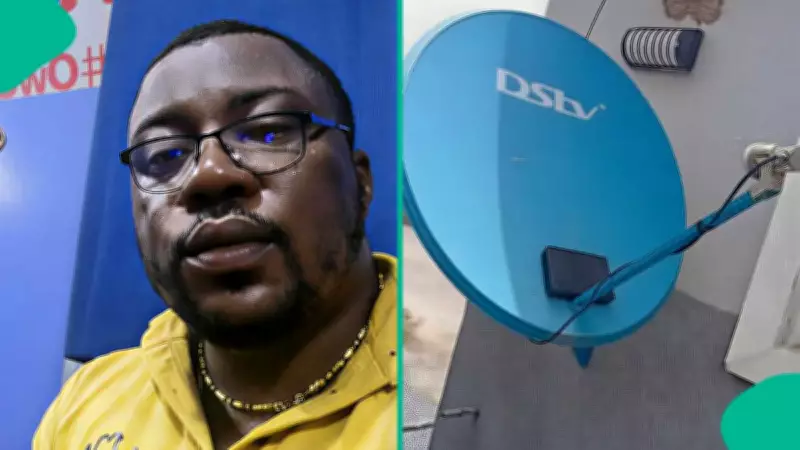
Chizitere Ahubelem, a Nigerian engineer and philanthropist based in Imo State, has publicly disclosed an intriguing observation regarding his DStv subscription after more than fifteen years of continuous yearly payments. Known on social media platforms as Chizzy Whizzy, Ahubelem shared his experience in a detailed Facebook post on Friday, March 13, sparking widespread discussion and mixed reactions online.
Fifteen Years of Consistent Yearly Payments
According to Ahubelem, he has consistently subscribed to the DStv dual-view premium package on an annual basis for over fifteen years. Unlike many subscribers who opt for monthly payments, the engineer prefers the yearly subscription model, which he recently renewed. During this latest renewal process, he made a notable discovery that has drawn significant attention from the public and fellow subscribers.
Price Freeze and Discount Revelation
Ahubelem revealed that, for the first time in his lengthy subscription history, MultiChoice, the parent company of DStv, did not increase the price of the yearly premium package. He speculated that this lack of price hike might be attributed to a potential decline in patronage, possibly due to previous annual price increases that have frustrated customers.
Furthermore, the engineer highlighted a key financial detail: MultiChoice deducts one month's subscription from the yearly fee, effectively charging customers for only eleven months instead of twelve. Ahubelem stated that he pays N555,500 yearly for the premium dual-view package, which breaks down to N50,500 per month. This discount, while not widely advertised, represents a significant saving for long-term subscribers like himself.
Customer Experience and Social Media Reactions
When questioned about his overall experience with DStv over the past decade and a half, Ahubelem acknowledged that the service clarity has been satisfactory. However, he pointed out that the constant price increments have been a persistent issue, echoing a common grievance among Nigerian subscribers.
His Facebook post generated a flurry of reactions from social media users, with many expressing astonishment at the substantial monthly and yearly costs. Comments ranged from humorous remarks about the financial commitment to critiques of the service's value, especially in light of Nigeria's unreliable power supply. Some users shared their own experiences with alternative providers or free-to-air television, highlighting the competitive landscape in Nigeria's entertainment market.
Broader Context: MultiChoice's Streaming Strategy
This observation comes at a time when MultiChoice is navigating a rapidly evolving global entertainment market. The company has recently announced plans to introduce a new streaming service for DStv and GOtv subscribers following the shutdown of Showmax. This strategic move aims to enhance competitiveness against major international platforms like Netflix and Disney+, with the Canal+ app set to be rolled out across MultiChoice territories in Africa.
Ahubelem's insights shed light on the nuances of long-term subscription models and customer loyalty in Nigeria's pay-TV sector. His experience underscores the delicate balance between pricing strategies and customer retention, particularly in an economy where disposable income is often stretched thin. As the debate continues online, his story serves as a reminder of the importance of transparency and value in subscription-based services.