
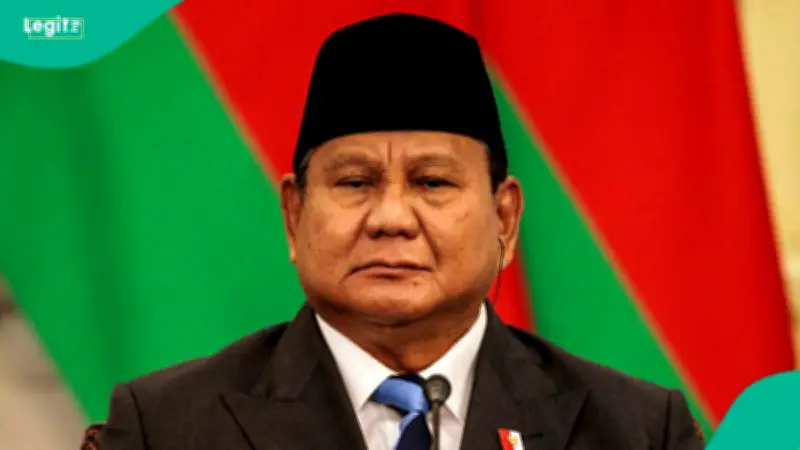
Indonesia's President Prabowo Subianto has officially nominated Destry Damayanti as the only candidate to lead Bank Indonesia on a permanent basis, following the surprise resignation of former governor Perry Warjiyo last month. The nomination, confirmed on Monday in Jakarta by presidential spokesman Prasetyo Hadi, has drawn intense scrutiny from financial markets and analysts concerned about the central bank's independence.
Nomination Details and Confirmation Process
"There is only one name, it is Destry Damayanti," Hadi told reporters, confirming that the 62-year-old economist is the sole nominee. Destry, who has served as a deputy governor since 2019, stepped into the acting governor role after Warjiyo's departure in late July. The final decision now rests with parliament, which is currently in recess. The appointment is being closely tracked by investors, as it will determine the future direction of monetary policy in Southeast Asia's largest economy.
According to Bloomberg, Warjiyo's resignation marked the second major economic policymaker to leave since Prabowo assumed the presidency in October 2024. This has fueled speculation that Warjiyo was pressured to align monetary policy more firmly with the government's growth agenda.
Concerns Over Central Bank Independence
The abrupt exit triggered widespread concern that the central bank's autonomy is under threat. Analysts at Capital Economics and other observers flagged these concerns at the time, noting that whoever was chosen as Warjiyo's replacement would be scrutinized for signs of political influence over the institution. Prabowo's nephew, Thomas Djiwandono, who also serves as a deputy governor at Bank Indonesia, had been mentioned as a possible contender before Destry emerged as the sole nominee.
Worries about the bank's autonomy were further deepened by a bill passed in July that handed parliament new powers to evaluate Bank Indonesia's performance and assigned it partial responsibility for driving economic growth, one of Prabowo's central policy priorities. This legislative change has raised questions about the central bank's ability to operate independently of political pressure.
Rupiah and Markets Under Pressure
Warjiyo's resignation came at a difficult moment for Indonesia's economy. The rupiah has shed roughly seven per cent of its value since conflict broke out in the Middle East in February, making it Asia's worst-performing currency according to Bloomberg News. Surging energy costs have added to the pressure, and the country's stock market has also fallen sharply.
At his final policy meeting in late July, Warjiyo's board held the benchmark interest rate at 5.75 per cent, following cumulative increases of 100 basis points earlier in the year. Capital Economics suggested that this string of hikes likely frustrated the government given its growth ambitions. Bank Indonesia's board of governors, made up of a governor and several deputies, is responsible for setting monetary policy and interest rates.
Expert Reviews of Central Bank Leadership
In a related context, Legit.ng earlier reported that the Centre for the Promotion of Private Enterprise (CPPE) reviewed the Central Bank of Nigeria's performance under Governor Yemi Cardoso. Muda Yusuf, the CPPE CEO, told Legit.ng that Cardoso has brought transparency and credibility to the financial system. However, he warned that aggressive monetary tightening risks constraining growth. The think tank said Cardoso's tenure has focused on restoring confidence, strengthening governance, and repositioning the apex bank to support inclusive and sustainable economic growth.




