
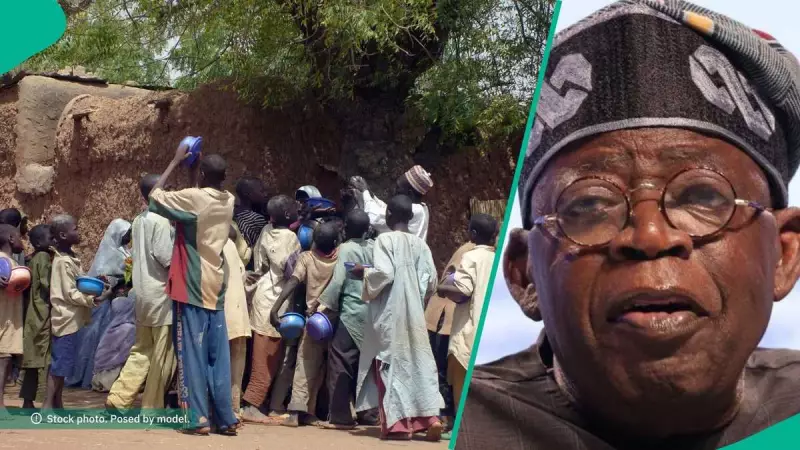
A stark new economic forecast has projected that a staggering 141 million Nigerians will be living in poverty by the year 2026. The projection, detailed in the PwC Nigeria Economic Outlook 2026 report, indicates the nation's poverty rate will climb to approximately 62 percent of the population.
Economic Pressures to Drive Poverty Surge
According to the report titled 'Turning macroeconomic stability into sustainable growth', this alarming increase will occur in the year preceding the 2027 general elections. The primary drivers identified are weak real income growth for citizens and persistently high costs of living. Despite recent government reforms aimed at stabilising the macroeconomy, PwC analysts warn that most households will not see income rises sufficient to counteract soaring prices in the near term.
The firm explicitly stated: "Poverty is projected to rise to 62 percent, representing about 141 million people, by 2026, reflecting weak real income growth and lingering inflation effects."
Why Incomes Are Falling Behind
The report delves into the structural issues underpinning the crisis. While inflation is expected to ease gradually, the fundamental cost structure of the Nigerian economy means significant affordability relief for households remains unlikely. Key factors keeping prices elevated include:
- High energy prices
- Persistent logistics costs
- Ongoing exchange rate effects
These elements are predicted to maintain high prices for food and other essential goods. The situation is particularly dire for low-income households, where food can account for up to 70% of total consumption. With food inflation remaining stubbornly high, these families are disproportionately vulnerable to any price shocks.
PwC cautioned that this rising poverty could threaten Nigeria's broader economic stability by weakening domestic consumption, limiting productivity gains, and straining public finances further. The firm emphasised that without robust job creation, productivity improvements, and effective social protection programmes, meaningful poverty reduction may remain out of reach.
Government Reaction and Global Context
In response to the sobering projections, the Presidency has pushed back. The Special Adviser on Media and Public Communication, Sunday Dare, contested the figures on the social media platform X. He described the statistics as unrealistic and argued they need proper contextualisation within global frameworks for measuring poverty.
PwC's outlook finds some alignment with other international assessments. The World Bank, in its own Nigeria Development Update published previously, also projected the poverty rate would peak at 62% in 2026—equating to roughly 141 million people—before a marginal dip to 61% (about 140 million) in 2027. The Bank noted this would mark the first improvement in nearly a decade, albeit a slight one, attributing the 2026 rise to "still modest growth and remaining inflationary pressure, particularly from food prices."
This latest analysis follows a 2025 assessment from PwC, which warned that rising inflation, high interest rates, and naira depreciation could push an extra 13 million Nigerians below the national poverty line. The firm has consistently recommended a comprehensive policy response focusing on sustained macroeconomic stability, reforms to food supply chains, and increased investment in agriculture and logistics.




