
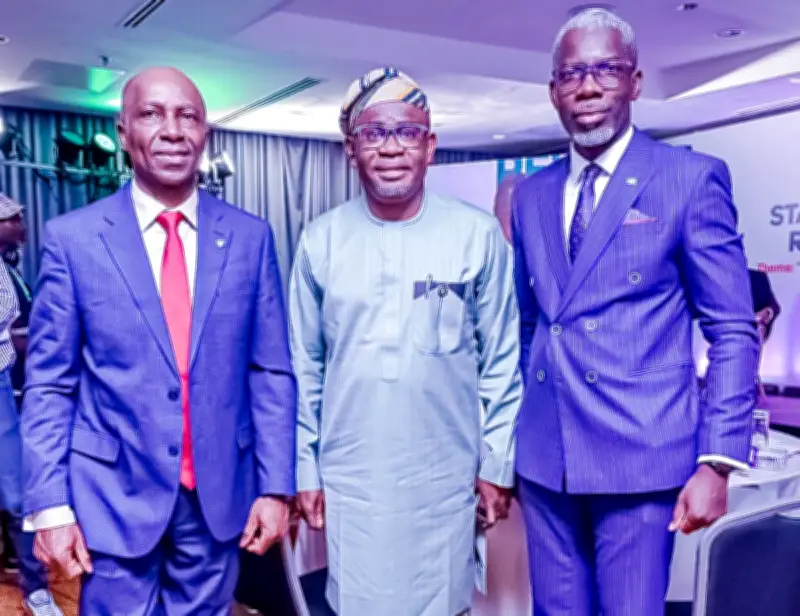
The Joint Revenue Board (JRB) has confirmed that 16 states in Nigeria have adopted a harmonised tax framework aimed at curbing the problem of multiple taxation. The initiative, which seeks to streamline tax collection and reduce the burden on businesses and individuals, was announced during a meeting of the JRB in Abuja.
The harmonised framework is designed to replace the fragmented tax systems that have long plagued the country, where businesses often face levies from multiple government agencies at the federal, state, and local levels. According to the JRB, the new system will consolidate various taxes into a single, unified structure, making it easier for taxpayers to comply and for authorities to collect revenue.
States Participating in the Framework
The 16 states that have signed onto the framework include Lagos, Rivers, Kaduna, Kano, Oyo, and others. These states represent a significant portion of Nigeria's economic activity, and their participation is expected to set a precedent for the remaining states to join. The JRB has expressed optimism that the remaining states will adopt the framework soon, as negotiations are ongoing.
“The adoption of this harmonised tax framework is a major step forward in our efforts to improve the ease of doing business in Nigeria,” said a JRB official. “Multiple taxation has been a major deterrent to investment and economic growth, and this initiative will help address that challenge.”
Impact on Businesses and Revenue
The harmonised framework is expected to have a significant impact on businesses operating in the participating states. By reducing the number of taxes and levies, companies will face lower compliance costs and fewer administrative hurdles. This is particularly beneficial for small and medium-sized enterprises (SMEs), which often struggle with the complexity of Nigeria's tax system.
For state governments, the framework promises more efficient revenue collection and reduced leakage. The JRB estimates that the harmonised system could increase tax revenue by up to 20% in the participating states, as it eliminates duplication and makes evasion more difficult. The board also noted that the framework includes provisions for transparency and accountability, ensuring that collected funds are properly accounted for.
Challenges and Next Steps
Despite the progress, the JRB acknowledged that challenges remain. Some states have expressed concerns about losing control over certain revenue streams, while others are still in the process of aligning their tax laws with the new framework. The board is working with state governments to address these issues and provide technical assistance where needed.
The harmonised tax framework is part of broader efforts by the federal government to reform Nigeria's tax system and boost non-oil revenue. The JRB has called on all states to join the initiative, emphasizing that a unified tax system is essential for the country's economic development.




