
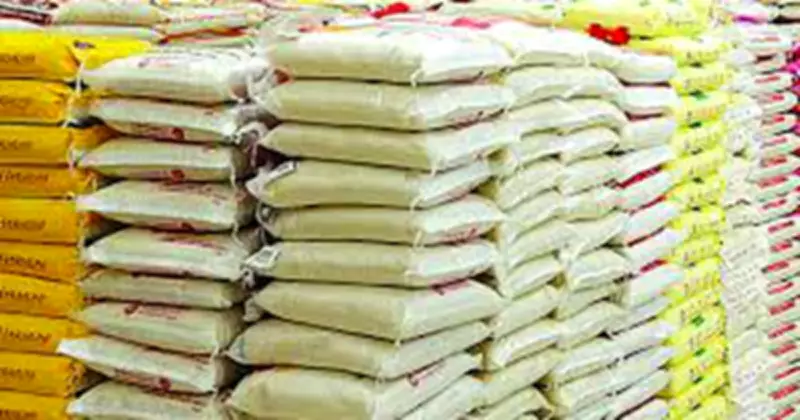
The cost of rice in Nigeria has surged once again, with the average price of a 50kg bag of locally produced rice now at ₦112,000, while imported foreign rice has climbed to ₦133,975, according to the latest data from the National Bureau of Statistics (NBS). These figures, released in the agency's March 2026 Selected Food Price Watch report, indicate a 20.5 percent increase in local rice prices from ₦92,946 in February. Imported rice also rose by 3.06 percent from ₦110,589 during the same period.
Impact on Minimum Wage Earners
This latest increase means that a Nigerian earning the country's ₦70,000 minimum wage can no longer afford a single 50kg bag of local rice with an entire month's salary. This highlights the growing pressure food inflation is placing on millions of households across the nation.
Rice as a Staple Food
Rice remains one of the most consumed staple foods in Nigeria, especially among low- and middle-income families who rely on it for daily meals due to its convenience and availability. The rising prices come despite earlier reports that rice prices had temporarily dropped earlier this year following increased imports and government tariff waivers on some food commodities.
Market surveys published by Legit.ng in April showed that some rice brands had fallen to around ₦56,000 per 50kg bag in certain locations before the latest surge captured by the NBS report. Reports also indicated that large volumes of imported rice entering the Nigerian market had disrupted local rice production, with farmers complaining that cheaper foreign rice and rising production costs were affecting sales and forcing many producers to scale back cultivation.
Factors Behind Price Increases
In addition to import pressures, rising transportation costs, fuel prices, and fluctuations in the value of the naira have continued to affect the prices of food items across the country. The NBS report further showed increases in the prices of other staple foods including beans, garri, onions, eggs, and ginger, indicating that food inflation remains widespread beyond rice alone.
Outlook for Nigerian Households
For many Nigerians already struggling with high living costs, the latest rice prices are expected to deepen concerns over affordability, feeding, and household survival as food expenses continue to take a larger share of monthly income.




