
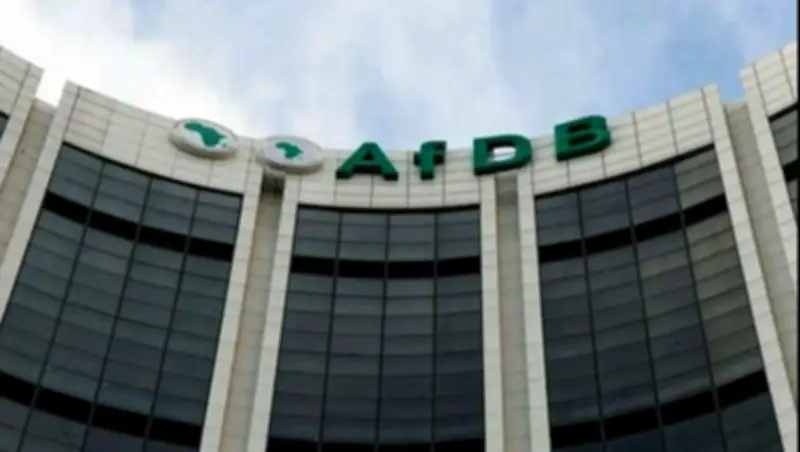
The African Development Bank (AfDB) is misallocating capital in West Africa, despite the region's need for $100 billion annually to bridge its development gap, a new report has revealed. This misallocation is stalling economic growth and aggravating poverty across the sub-region, according to the findings.
The report, which examines the bank's lending and grant portfolio in West Africa, points to a persistent mismatch between the deployment of funds and the most critical developmental priorities. While substantial sums have been disbursed, their impact remains limited due to poor targeting and a lack of coordination with national strategies.
The $100 Billion Annual Development Needs
West Africa faces an acute financing gap of approximately $100 billion every year to cover essential projects in infrastructure, healthcare, education, and climate adaptation. Yet the report argues that the AfDB is not effectively deploying resources to close this gap. Instead, funds are sometimes directed toward ventures with low economic returns or that fail to address the needs of the poorest populations.
Key Findings on Capital Misallocation
The report identifies several factors contributing to the misallocation. These include inadequate project appraisal, political influences, and a tendency to prioritize large, high-visibility projects over practical, smaller-scale programs. It also notes that loan distribution across West African nations is uneven, with some countries receiving far more support than others with more severe poverty levels.
Another concern is the continued financing of fossil fuel projects in a region highly vulnerable to climate change. This not only contradicts global climate commitments but also offers limited long-term benefits to communities. The report recommends a pivot toward renewable energy and climate-resilient infrastructure.
Impact on West African Economies
The misallocation has far-reaching consequences for economic transformation. Poor transport networks drive up the cost of moving goods, making local industries less competitive. Restricted access to affordable and reliable energy hampers manufacturing and small enterprises. Agriculture, which employs the majority of the population, continues to suffer from low yields due to insufficient investment in irrigation, inputs, and research.
Furthermore, the lack of progress in human capital development, including education and health services, keeps many countries locked in a cycle of poverty. The report stresses that without correcting the misallocation of capital, the region will struggle to achieve the Sustainable Development Goals by 2030.
Recommendations for AfDB
To address these issues, the report offers a set of recommendations. It calls on the AfDB to base its lending decisions on a transparent and needs-based analysis, prioritizing projects with strong social and economic returns. It also urges the bank to strengthen cooperation with West African governments and regional organizations such as ECOWAS, ensuring that funding aligns with national development plans.
The report additionally highlights the importance of robust monitoring and evaluation systems, which would allow the bank to track project outcomes and adjust strategies accordingly. Such measures would help prevent future misallocation and encourage greater confidence among donors and private investors.
The Way Forward
West Africa cannot afford to waste the scarce resources at its disposal, especially given the mounting challenges of population growth, climate change, and the lingering effects of conflict. The AfDB has a pivotal role to play; but only with the right reforms can it become a true catalyst for growth and poverty reduction. The report concludes that concrete action is needed now, not later, if the region is to meet its development aspirations.
Civil society organizations and local communities also have a role to play in demanding accountability and ensuring that funds are used as intended. The report suggests that public access to project information would help reduce corruption and inefficiency.




