
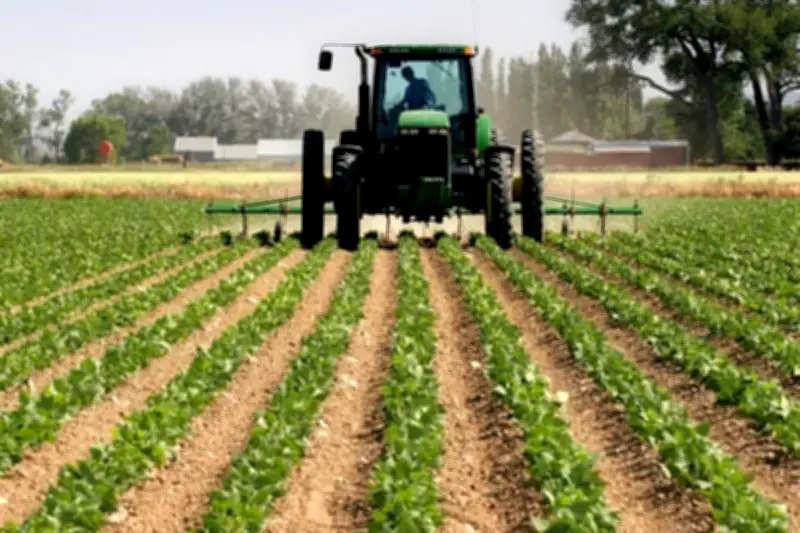
Nigeria's agricultural sector recorded its 24th consecutive month of expansion in July, according to the latest Purchasing Managers' Index (PMI) report from Stanbic IBTC Bank. The sector's PMI stood at 51.2, up from 50.9 in June, indicating a sustained improvement in operating conditions. This growth comes amid broader private sector expansion, with the headline PMI rising to 51.8 in July from 50.8 in June.
Key Drivers of Agricultural Growth
The agricultural PMI's steady climb is attributed to increased output and new orders, supported by favorable weather conditions and government interventions in the sector. Farmers and agribusinesses have reported higher production volumes, driven by improved access to inputs and better pricing. According to the report, output and new orders both increased at faster rates in July, while employment levels remained stable.
"The agriculture sector continues to be a bright spot in the Nigerian economy, with the PMI remaining above the 50.0 threshold for the 24th month in a row," said a Stanbic IBTC economist. "This resilience is crucial for food security and economic diversification."
Private Sector Expansion Broadens
The overall private sector PMI rose to 51.8 in July, up from 50.8 in June, signaling a modest but broad-based improvement in business conditions. The expansion was driven by stronger growth in new orders, which rose at the fastest pace in six months. Companies also reported increased output and purchasing activity, although employment levels showed marginal growth.
The report noted that inflationary pressures remained elevated, with input costs and output prices rising at sharper rates. However, business confidence improved, with firms expressing optimism about future output. The PMI data aligns with the Central Bank of Nigeria's recent decision to maintain interest rates, as policymakers balance growth with inflation concerns.
Implications for Economic Recovery
The sustained expansion in agriculture and the broader private sector is a positive signal for Nigeria's economic recovery, which has been hampered by foreign exchange shortages and high energy costs. Agriculture remains a key pillar of the economy, contributing about 25% to GDP and employing over 35% of the workforce. The sector's resilience is vital for job creation and poverty reduction.
However, analysts caution that structural challenges, including poor infrastructure, insecurity in farming regions, and limited access to credit, could undermine future growth. The PMI report highlights the need for continued policy support to sustain momentum and translate expansions into tangible economic benefits for all Nigerians.




