
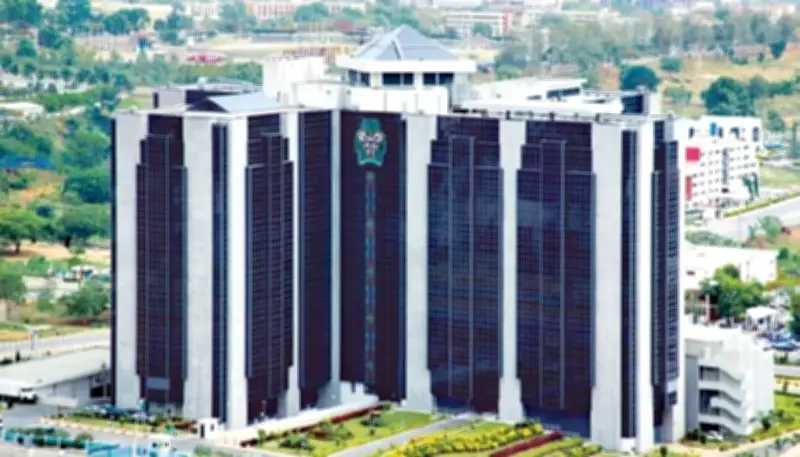
The Central Bank of Nigeria (CBN) reported that credit to the private sector increased to N83.26 trillion in June 2026, rising by 0.4% from N82.94 trillion recorded in May 2026. This marks a steady growth trajectory as the apex bank continues to implement policies aimed at stimulating economic activity.
Breakdown of the Credit Growth
According to the CBN's latest money and credit statistics, the increase was driven largely by lending to the manufacturing and services sectors. Manufacturing sector credit rose by 1.2% to N18.5 trillion, while services sector credit increased by 0.8% to N22.3 trillion. Agriculture and trade sectors also saw modest gains, with credits rising to N6.1 trillion and N9.8 trillion respectively.
The CBN Governor, Dr. Olayemi Cardoso, attributed the growth to the bank's targeted intervention programs and the gradual recovery of the Nigerian economy. "The increase in credit to the private sector reflects the effectiveness of our monetary policy measures and the improving confidence in the economy," Cardoso said in a statement.
Money Supply and Inflation Context
The broad money supply (M2) also expanded during the period, rising to N108.7 trillion in June 2026 from N107.5 trillion in May. This represents a month-on-month increase of 1.1%. The growth in money supply is consistent with the CBN's accommodative monetary policy stance aimed at supporting economic recovery.
However, the rise in credit and money supply comes against the backdrop of persistent inflationary pressures. Nigeria's headline inflation rate stood at 24.8% in June 2026, slightly down from 25.1% in May but still significantly above the CBN's target range of 6-9%. Analysts caution that while credit expansion is necessary for growth, it could exacerbate inflation if not carefully managed.
Impact on Economic Growth
The increase in private sector credit is expected to support economic growth, which the International Monetary Fund (IMF) projects at 3.2% for 2026. Sectors such as manufacturing, agriculture, and services are likely to benefit from improved access to finance, potentially boosting output and employment.
Financial analysts have welcomed the development but emphasize the need for sustained credit growth. "The N83.26 trillion figure is encouraging, but we need to see this credit translating into real sector investments and job creation," said Mr. Johnson Chukwu, CEO of Cowry Asset Management. "The CBN must continue to monitor the quality of credit to avoid a buildup of non-performing loans."
Policy Implications
The CBN has maintained its Monetary Policy Rate (MPR) at 27.50% since March 2026, opting to keep rates high to curb inflation while allowing targeted credit expansion. The bank's Loan-to-Deposit Ratio (LDR) policy, which mandates banks to lend a minimum of 65% of their deposits, has also contributed to the rise in credit.
Looking ahead, the CBN is expected to keep its policy stance unchanged in the near term, balancing the need for growth with inflation control. The next Monetary Policy Committee (MPC) meeting is scheduled for September 2026, where members will review the impact of current policies on the economy.




