
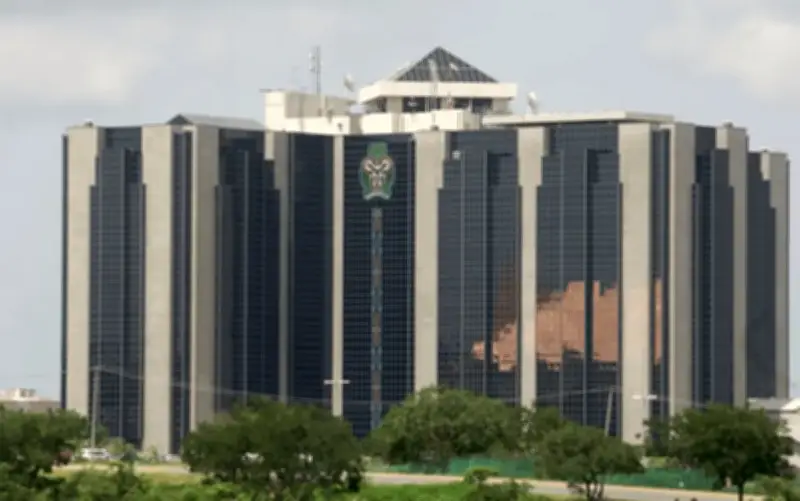
The Central Bank of Nigeria (CBN) has reported a significant increase in loan demand across the country's banking sector in the second quarter of 2026, even as the number of loan defaults recorded by banks declined during the same period. This development was contained in the CBN's latest Credit Conditions Survey Report, which was released on Thursday and provides a comprehensive overview of the credit market's performance.
Rising Loan Demand and Falling Defaults
According to the report, the demand for loans by both households and businesses rose sharply in Q2 2026, driven by a combination of factors including improved economic activities, easing inflationary pressures, and the need for working capital by small and medium-scale enterprises. The CBN data showed that the net percentage of banks reporting increased loan demand rose to 45.2% in the second quarter, up from 32.8% in the previous quarter, indicating a robust appetite for credit.
At the same time, the rate of loan defaults among borrowers decreased, with the proportion of non-performing loans (NPLs) falling to 5.4% of total loans, from 6.1% in Q1 2026. This improvement in asset quality is attributed to better risk management practices by banks, improved loan recovery mechanisms, and the overall stability of the macroeconomic environment.
Factors Driving Loan Demand
The CBN attributed the increase in loan demand to several factors, including the gradual recovery of the economy from the effects of the COVID-19 pandemic, increased consumer spending, and the need for capital investment by businesses. The report also noted that the reduction in the monetary policy rate (MPR) by the CBN earlier in the year had made borrowing cheaper, thereby stimulating demand.
"The rise in loan demand is a positive signal for the economy, indicating that both households and businesses are confident about the future and are willing to take on credit to finance their activities," said the CBN in the report. "The decline in defaults also reflects the resilience of the banking sector and the effectiveness of the policies put in place to ensure financial stability."
Impact on Banks and the Economy
The increase in loan demand and the reduction in defaults have positive implications for the banking sector. Banks are likely to see an improvement in their profitability as they earn more interest income from the higher volume of loans, while also reducing their provisioning for bad debts. This could lead to increased lending capacity and further expansion of credit to the real sector.
Economists have welcomed the development, noting that it could spur economic growth. "The combination of rising loan demand and falling defaults is a strong indicator of economic recovery," said Dr. Adebayo Olawale, an economist at the Lagos Business School. "It shows that businesses are expanding and households are spending, which are key drivers of GDP growth."
Regional and Sectoral Breakdown
The CBN report also provided a breakdown of loan demand by region and sector. In the South-West region, which includes Lagos, the commercial hub of the country, loan demand increased by 50% in Q2 2026, while the North-Central region saw a 35% rise. The manufacturing sector recorded the highest demand for credit, followed by the wholesale and retail trade sector, and the agricultural sector.
In contrast, the oil and gas sector saw a modest increase in loan demand, reflecting the uncertainties in the global oil market. The report also noted that the demand for foreign currency loans remained subdued, as businesses preferred naira-denominated loans due to the stability of the exchange rate.
Outlook for the Third Quarter
Looking ahead, the CBN expects loan demand to continue to rise in the third quarter of 2026, albeit at a slower pace, as the base effect of the second quarter kicks in. The central bank also anticipates that the default rate will remain stable or slightly improve, as the economy continues to recover and banks maintain their prudent lending standards.
However, the CBN cautioned that risks remain, including the potential impact of global economic uncertainties, fluctuations in oil prices, and the possible resurgence of inflationary pressures. The central bank said it would continue to monitor the situation and adjust its policies as necessary to ensure the stability of the financial system.




