
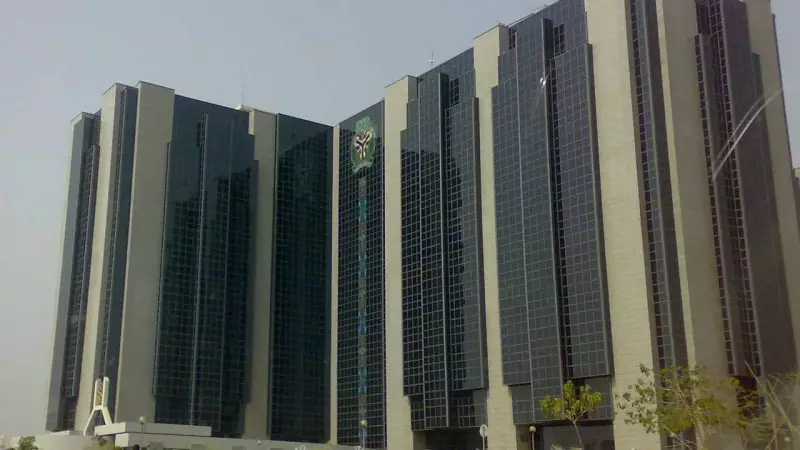
The Central Bank of Nigeria (CBN) has presented a detailed assessment of the nation's economic health, offering a cautiously optimistic view of resilience in the face of international challenges. Its macroeconomic outlook for 2025 and projections for 2026 highlight a period of consolidation and potential acceleration, provided key risks are managed.
Nigeria's Resilient Performance in 2025
Against a global backdrop of slowing growth, the Nigerian economy demonstrated notable strength. Global economic expansion eased to 3.20% in 2025 from 3.3% the previous year, pressured by trade tensions and weak demand. However, Nigeria's Gross Domestic Product (GDP) growth accelerated to 3.89% in 2025, up from 3.38% in 2024.
This robust performance was driven by broad-based gains. Both the oil and non-oil sectors contributed, with specific boosts coming from agricultural reforms, improved crude oil production, and a dynamic services sector. On the inflation front, a major success story unfolded. After peaking at 24.48% in January 2025, the average inflation rate for the year was brought down to 21.26%.
This significant moderation is credited to the CBN's tight monetary policy, greater stability in the exchange rate, and enhanced cooperation between the country's fiscal and monetary authorities.
Key Indicators Show Fiscal and External Strengths
A deeper dive into the numbers reveals a strengthening foundation. The banking sector remained sound and stable, with all key indicators within regulatory limits, thanks to prudent oversight. On the fiscal side, government reforms and stable oil prices helped narrow the budget deficit. By mid-2025, total public debt was at a manageable 33.98% of GDP.
Perhaps one of the most encouraging signs came from Nigeria's external position. The country recorded a balance of payments surplus of $5.80 billion in 2025, supported by rising external reserves. This surplus provides a critical buffer against global financial shocks and bolsters international investor confidence.
2026 Projections: A Path to Greater Stability
Looking forward, the CBN's forecast for 2026 is decidedly upbeat. The bank projects the Nigerian economy will expand at a rate of 4.49% in the coming year. This optimism is predicated on the expectation that ongoing structural reforms will deepen, unlocking more productivity and investment.
A major relief for households and businesses is the forecast for inflation. Headline inflation is expected to decline sharply to an average of 12.94% in 2026. This anticipated drop is linked to expected lower food prices and a downward trend in the cost of Premium Motor Spirit (PMS).
Persistent Risks and Policy Imperatives
Despite the positive trajectory, the CBN report warns of significant risks that could derail progress. Inflation remains a persistent threat, susceptible to supply shocks or global commodity price spikes. There is also the danger of fiscal expenditure exceeding prudent limits, which could trigger exchange rate instability.
Other risks include:
- Sudden shifts in global investor sentiment leading to capital outflows.
- Unfavourable climatic conditions affecting agricultural output.
- Possible disruptions to crude oil production.
To navigate these challenges, the CBN emphasizes the need for careful, coordinated policymaking. Monetary policy must continue to balance price stability with growth. Fiscal authorities are urged to broaden the tax base, improve tax efficiency, and maintain spending discipline. Furthermore, safeguarding financial sector stability through tools like the Global Standing Instruction (GSI) framework remains crucial.
In conclusion, the CBN's outlook provides a narrative of resilience with a clear call to action. If policymakers can adeptly manage the outlined risks while capitalizing on reform opportunities, 2026 could mark a pivotal turn towards sustained growth, lower inflation, and improved living standards for millions of Nigerians. The report was authored by Salmanu Darazo and Isah Aliyu Chiroma from Abuja.




