
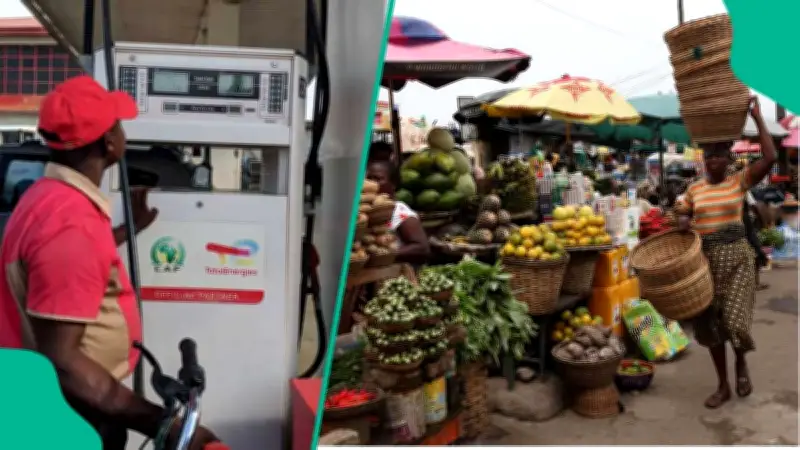
Global crude oil prices have climbed above $100 per barrel for the first time since May, raising alarms that Nigerians could soon face higher petrol prices, increased transport costs, and a broader rise in the cost of living. The price surge, driven by escalating tensions between the United States and Iran, comes as Nigeria's 2026 budget was predicated on an oil benchmark of $64.85 per barrel, meaning the government may reap billions of naira in unplanned revenue if production remains stable.
Revenue Boost for Government Despite Consumer Pain
Nigeria's Bonny Light crude crossed the $100 threshold amid fears that Middle East hostilities could disrupt global supply. The region accounts for nearly one-third of the world's oil exports, making any prolonged conflict a major threat to energy markets. According to Vanguard, the current price is about $35 above the budget benchmark of $64.85 per barrel, with the budget also assuming daily production of 1.84 million barrels and an exchange rate of N1,400/$1.
If these production and export levels hold, the Federal Government stands to record significant unplanned oil revenue, providing a fiscal cushion even as ordinary Nigerians face mounting economic pressure.
Consumers Brace for Higher Petrol and Transport Costs
Despite the potential revenue windfall, analysts warn that the deregulated downstream petroleum market will transmit higher crude costs directly to consumers. Higher international oil prices increase the cost of importing refined products, raising landing costs and prompting marketers to adjust pump prices.
Industry data from Petroleumprice.ng showed that before the latest price spike, many fuel depots in Lagos, Warri, and Calabar had lowered loading prices to attract customers, while Port Harcourt prices remained largely unchanged. Petrol currently sells for between N1,300 and N1,400 per litre at many filling stations in Lagos and surrounding areas. Any increase in pump prices is expected to push up transportation costs, with ripple effects on food, manufactured goods, and other essential commodities, potentially worsening inflation across the country.
Experts Warn of Fresh Market Volatility
The Managing Director of Petroleumprice.ng, Jeremiah Olatide, noted that recent efforts to reduce fuel prices may be short-lived due to the sudden crude oil surge. He explained that after Dangote Petroleum Refinery resumed loading petrol in naira at N1,215 per litre on Wednesday, many expected importers to lower prices, and some marketers had begun making adjustments. However, the Middle East crisis disrupted that trend. “We should expect more price instability in the coming weeks,” Olatide said.
Mazi Colman Obasi, National President of the Oil and Gas Services Providers Association of Nigeria (OGSPAN), added that although widespread price increases have not yet been implemented at depots and filling stations, the effects are likely to spread throughout the economy once operators across the petroleum value chain adjust their prices. “The implications will be far-reaching for households, businesses and the wider economy,” Obasi warned.
Broader Economic Impact
The combination of rising crude prices and a deregulated market means that Nigerian consumers will almost certainly face higher costs for petrol, transportation, and food in the coming weeks. While the government may enjoy a revenue boost, the burden on citizens could deepen the cost-of-living crisis, with inflation already a major concern. Industry observers will be watching closely to see if the government intervenes to cushion the impact or allows market forces to dictate prices.




