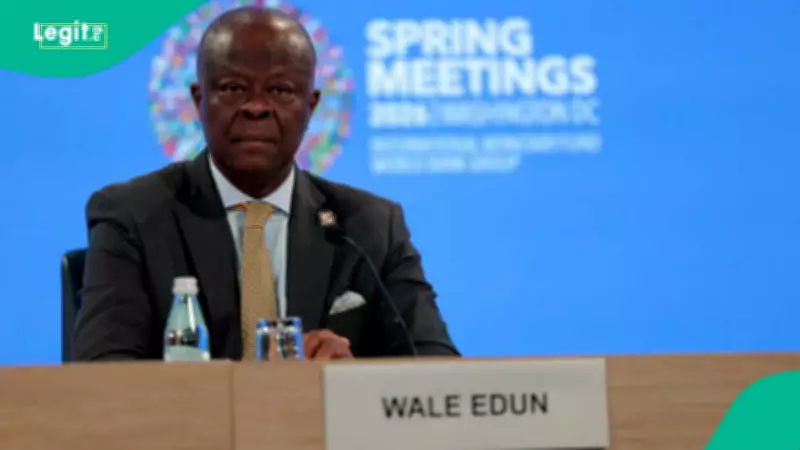
Wale Edun's Economic Scorecard Unveiled After Removal from Office
The economic performance record of former Finance Minister Wale Edun has been publicly released following his dismissal from the Nigerian government. According to data from Statis Sense, this comprehensive scorecard details key economic indicators, comparing the state of the nation's finances when Edun assumed office in August 2023 with the situation by early 2026, shortly before his removal.
Key Economic Indicators Under Edun's Tenure
The scorecard presents a nuanced picture of Nigeria's economic trajectory during Edun's time as Finance Minister and Coordinating Minister of the Economy. While some areas showed significant improvement, others deteriorated, highlighting the complex challenges of economic management.
Inflation Rate Shows Notable Decline
One of the most positive outcomes was the reduction in inflation. The rate dropped from 25.80% in August 2023 to 15.38% by March 2026, indicating some success in stabilizing prices that had been rising sharply prior to his tenure.
Exchange Rate Worsens Significantly
However, the naira weakened considerably against the US dollar, with the exchange rate moving from ₦773.9/$ in August 2023 to ₦1,386/$ by March 2026. This reflects ongoing difficulties in foreign exchange management and market volatility.
External Reserves Experience Healthy Growth
Nigeria's external reserves saw a substantial increase, rising from $34.0 billion in August 2023 to $50.45 billion by March 2026. This growth provided the country with enhanced financial stability and a stronger buffer for global trade operations.
GDP Growth Rate Picks Up Pace
Economic growth improved under Edun's watch, with the GDP growth rate increasing from 2.54% in August 2023 to 4.1% by the fourth quarter of 2025, demonstrating a recovery in overall economic activity.
Areas of Concern and Rising Costs
Fuel Prices More Than Double
Fuel prices surged dramatically, escalating from ₦626.7 per litre in August 2023 to ₦1,051.57 by March 2026. This sharp increase placed significant pressure on both households and businesses, contributing to higher living and operational costs.
Debt-to-GDP Ratio Improves but Absolute Debt Rises
The debt burden relative to GDP showed improvement, with the ratio falling from 39.82% in the third quarter of 2023 to 32.3% by March 2026. This indicates better fiscal management in terms of economic output. However, absolute debt levels climbed substantially.
External Debt Increases
Nigeria's external debt grew from $41.59 billion in September 2023 to $51.9 billion by December 2025, raising concerns about long-term repayment obligations and the country's debt sustainability.
Domestic Debt Rises Sharply
Domestic borrowing expanded significantly, with debt rising from ₦55.9 trillion in September 2023 to ₦84.8 trillion by December 2025. This reflects a heavy reliance on local debt markets to finance government expenditures.
Final Assessment and Context
Wale Edun's economic scorecard paints a mixed picture of his tenure. While achievements include reductions in inflation, improvements in GDP growth, stronger external reserves, and a better debt-to-GDP ratio, these positives are offset by a weakened exchange rate, surging fuel prices, and rising absolute debt levels. His period in office underscores the difficult balance required between stabilizing the broader economy and managing the escalating costs faced by ordinary citizens.
Edun, a seasoned Nigerian economist, investment banker, and politician, served as Minister of Finance and Coordinating Minister of the Economy from August 2023 until April 21, 2026. His removal, along with that of the Minister of Housing and Urban Development, was explained by the presidency as a move to achieve greater cohesion and synergy in governance, as well as more effective delivery of the Renewed Hope agenda. The Secretary to the Government of the Federation, George Akume, stated that President Bola Tinubu acted within his constitutional powers under Sections 147 and 148 of the Nigerian Constitution.