
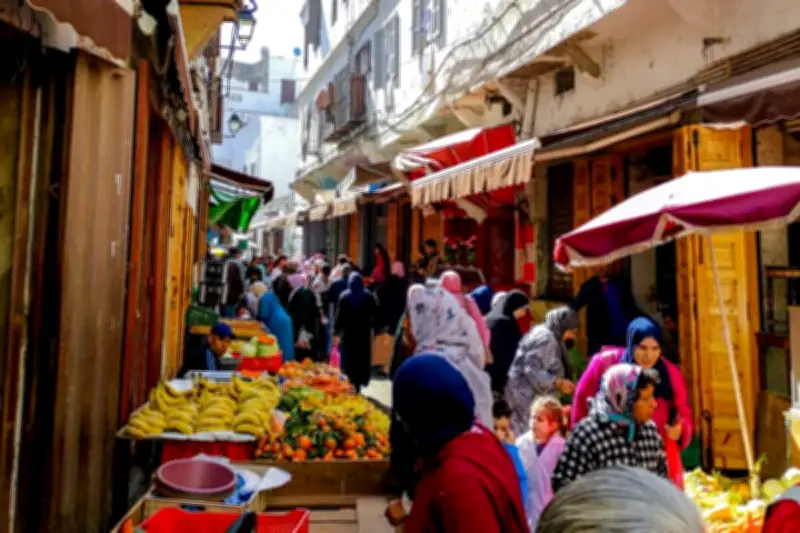
Egypt's annual urban consumer inflation accelerated to 14.9% in July, up from 14.1% in June, according to data released by the Central Agency for Public Mobilization and Statistics (CAPMAS) on Monday. This marks the first increase in four months, breaking a streak of cooling inflation that had offered some relief to households.
Food Prices Drive the Surge
The uptick was largely driven by a spike in food and beverage prices, which account for a significant portion of household spending. Food prices rose by 20.4% year-on-year in July, compared to 18.2% in June. On a monthly basis, food prices increased by 2.3%, reflecting higher costs for vegetables, fruits, and meat.
Core inflation, which excludes volatile items like food and energy, also edged up to 13.5% in July from 12.9% in June, according to the Central Bank of Egypt (CBE). This suggests that underlying price pressures remain persistent, complicating the central bank's monetary policy stance.
Analysts Weigh In
"The reversal in inflation is not entirely unexpected, given the seasonal uptick in food prices and the gradual pass-through of higher energy costs," said Mohamed Hassan, an economist at Cairo-based investment firm EFG Hermes. "We expect the central bank to hold rates steady in the near term, but if inflation continues to rise, a hike may be on the cards."
The CBE has kept its benchmark interest rate unchanged at 27.25% since March, after a series of hikes in 2023 and early 2024 to combat inflation that peaked at over 30%.
Impact on Households and Economy
For ordinary Egyptians, the rise in inflation means tighter budgets, especially for low-income families who spend a larger share of their income on food. The government has expanded its subsidy programs, but economists argue that more structural reforms are needed to stabilize prices.
The inflation data comes ahead of the CBE's next monetary policy meeting scheduled for September 5, where policymakers will weigh the risks of persistent inflation against the need to support economic growth.
Broader Economic Context
Egypt's economy has been under pressure from a chronic foreign currency shortage, high external debt, and the impact of regional geopolitical tensions. The country secured a $8 billion loan from the International Monetary Fund in March, which has helped stabilize the currency and attract foreign investment, but inflation remains a key challenge.
In its latest report, the IMF projected Egypt's inflation to average around 15% in fiscal year 2025/26, but warned of upside risks if global commodity prices remain elevated.
The government has also implemented a series of subsidy cuts and tax increases as part of the IMF program, which have added to cost-of-living pressures. However, officials argue that these measures are necessary to restore fiscal sustainability and attract long-term investment.
As the country heads into the fall, all eyes will be on the central bank's next move and whether inflation can be brought back under control without derailing the fragile economic recovery.




