
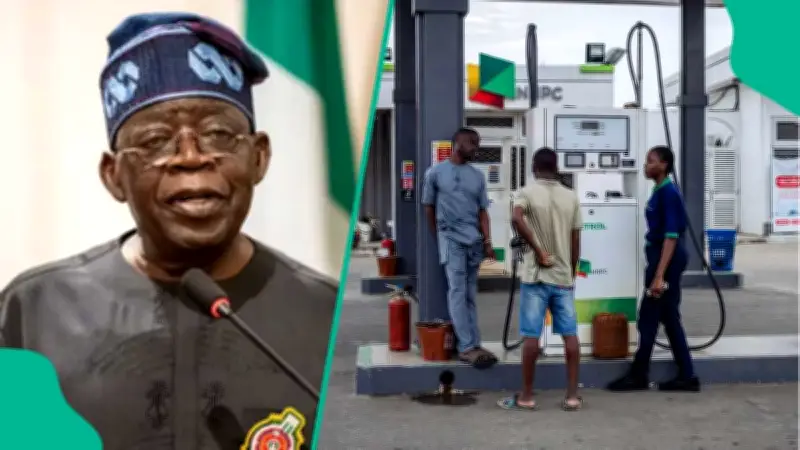
FG Calls for Immediate Petrol Price Reduction
The federal government has urged petroleum marketers to reduce the pump price of petrol in response to the recent decline in global crude oil prices, while maintaining that fuel pricing under Nigeria's deregulated downstream petroleum sector is now driven by market forces rather than government intervention.
The appeal was made on Monday, June 29, in Abuja by the Minister of State for Petroleum Resources (Oil), Senator Heineken Lokpobiri, during the 2026 General Counsel and Legal Advisers' Forum organised by the Nigerian Midstream and Downstream Petroleum Regulatory Authority (NMDPRA). His comments come amid growing criticism from consumers, transport operators and industry stakeholders who have accused some marketers of failing to reflect lower international oil prices in retail petrol prices, despite the easing of tensions in the Middle East.
Lower Global Oil Prices Should Lead to Cheaper Petrol
Lokpobiri explained that the recent de-escalation of hostilities involving Iran and the United States has contributed to a softening of international crude oil prices, creating expectations that the cost of refined petroleum products, including petrol, should also decline. According to him, Nigerians should ordinarily begin to see corresponding reductions in the pump price of PMS and other petroleum products as global market conditions improve.
He, however, acknowledged that the expected price adjustment has yet to materialise across filling stations nationwide. The minister said: "We expected a corresponding reduction in the prices of PMS and other petroleum products following the easing of geopolitical tensions, but that has not happened yet." Despite the delay, Lokpobiri expressed confidence that competition and market dynamics would eventually drive prices downward as more products become available and operators respond to changing market realities.
FG Cannot Fix Petrol Prices Under Deregulation
The minister reiterated that the Federal Government no longer has the legal authority to determine or reduce petrol prices following the implementation of the Petroleum Industry Act (PIA) 2021, which fully deregulated the downstream petroleum sector. He explained that the pricing of petrol is now determined by market fundamentals such as international crude oil prices, foreign exchange rates, supply costs, competition among marketers and overall demand.
While government cannot impose a fixed pump price, Lokpobiri stressed that the NMDPRA retains its regulatory responsibility to oversee operators and prevent anti-competitive practices or any form of exploitation that could unfairly burden consumers. He said the regulator would continue to monitor compliance with industry regulations to ensure that deregulation benefits both investors and the Nigerian public.
Petrol Landing Cost Crashes to N1,000/Litre
Meanwhile, Legit.ng earlier reported that the landing cost of imported petrol dropped to N1,003 per litre amid declining crude prices. The widening price gap has reignited calls for substantial cuts from Dangote Refinery. Lower fuel costs may ease inflation and provide relief for struggling Nigerians amid the country's harsh economic realities.




