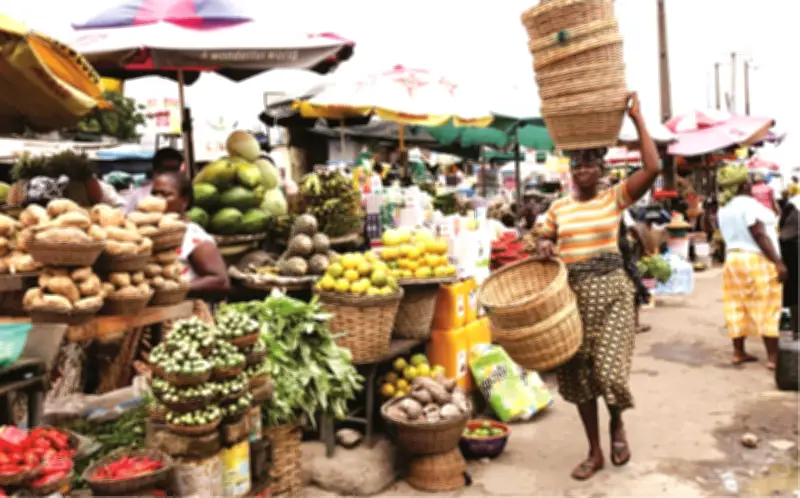
The National Bureau of Statistics (NBS) reported that Nigeria's food inflation rate climbed to 20.31% in July 2026, marking the highest level in ten months. This represents a significant increase from the 19.26% recorded in June 2026, reflecting persistent upward pressure on food prices across the country.
Key Drivers of the July Surge
According to the NBS Consumer Price Index (CPI) report released on Tuesday, the year-on-year food inflation rise was driven by higher prices for essential food items, including rice, yam, bread, and other staples. The report attributed the surge to a combination of factors, including increased transportation costs, lingering supply chain disruptions, and the continued depreciation of the naira, which has made imported food inputs more expensive.
On a month-on-month basis, food inflation also accelerated, rising by 1.84% in July compared to 1.62% in June. This indicates that the pace of price increases is intensifying, putting additional strain on households already grappling with a high cost of living.
Impact on Households and Economy
The sustained rise in food inflation has significant implications for Nigerian consumers, who allocate a substantial portion of their income to food. According to the NBS, the food sub-index accounts for over 50% of the overall consumer price index, underscoring its importance in determining the general inflation trajectory. The Central Bank of Nigeria (CBN) has been under pressure to tighten monetary policy further to curb inflation, but such measures may also slow economic growth.
Economists and market analysts have expressed concern that the trend could worsen in the coming months, especially with the approaching harvest season and potential weather-related disruptions. However, the NBS report did not provide an outlook for the remainder of the year.
Government and Policy Response
In response to the rising food prices, the federal government has announced plans to release grains from strategic reserves and improve rural road infrastructure to reduce logistics costs. The Ministry of Agriculture and Food Security stated that it is working with state governments to boost local food production and reduce reliance on imports. These measures, however, are expected to take time before they yield tangible results.
Meanwhile, the NBS data showed that core inflation, which excludes volatile agricultural products and energy, stood at 13.2% in July, up slightly from 13.1% in June. This suggests that the inflationary pressures are broad-based, affecting both food and non-food items.
The latest figures have intensified calls for the CBN to consider raising interest rates at its next monetary policy committee meeting scheduled for September. The committee had previously held the benchmark rate at 17.5% in July, citing the need to support economic recovery. However, with food inflation at a ten-month high, the bank may face mounting pressure to act.
As Nigerians continue to feel the pinch of higher food prices, the government's ability to implement effective measures will be closely watched. The situation remains fluid, and stakeholders are hoping for a reprieve in the coming months as the harvest season approaches.