
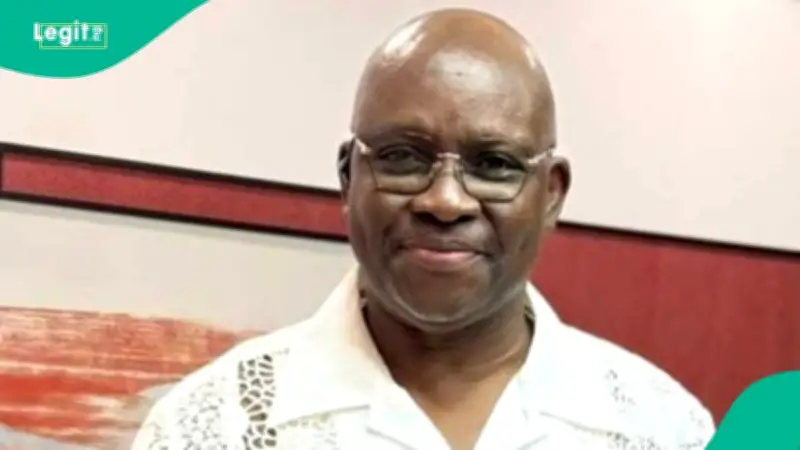
The Chairman of the Rural Electrification Agency (REA), Ayodele Fayose, has made a striking claim that Nigeria's chronic electricity shortage is a key driver of its rapid population growth. Speaking on the social and economic consequences of power outages in rural areas, Fayose argued that darkness forces people into early nights, with limited alternatives, thereby contributing to higher birth rates.
Fayose Links Darkness to Population Growth
“When you don't address the issue of electricity, by 7 o'clock it gets dark, and people start engaging with their wives, so the population doubles,” Fayose said. His remarks highlight a rarely discussed angle in the nation's energy debate, suggesting that the lack of power influences personal behavior and demographic trends.
Fayose explained that the absence of electricity creates a cycle where going to bed early becomes a habit rather than a choice. “The simple problem is that, because there is no electricity, people go to bed early. Their minds are already prepared for it. If this is the only option available, they simply stay at home,” he said. This statement underscores the idea that without power, rural communities have no reason to remain active after sunset, leading to a pattern of early sleep and increased likelihood of larger families.
Nightlife as an Alternative
Fayose argued that the solution lies in addressing the electricity problem to create vibrant nightlife. “If we address the electricity problem, there will be nightlife,” he stated. According to him, reliable power would enable economic and social activities that give people productive ways to spend their evenings, reducing the idleness that he says contributes to high birth rates.
The REA chairman's comments come amid Nigeria's status as one of the world's fastest-growing populations, with the United Nations projecting the country to become the third most populous nation by 2050. Access to electricity remains a critical challenge, with the World Bank reporting that over 85 million Nigerians lack access to grid electricity, particularly in rural areas. The Rural Electrification Agency, which Fayose leads, was established to extend power infrastructure to communities not connected to the national grid, aiming to bridge this gap.
Fayose's remarks have sparked discussions on the broader implications of energy poverty, extending beyond mere inconvenience to shaping demographic outcomes. As Nigeria continues to grapple with its energy crisis, his perspective adds a new dimension to the urgency of rural electrification, linking it not only to economic development but also to social behavior and population dynamics.




