
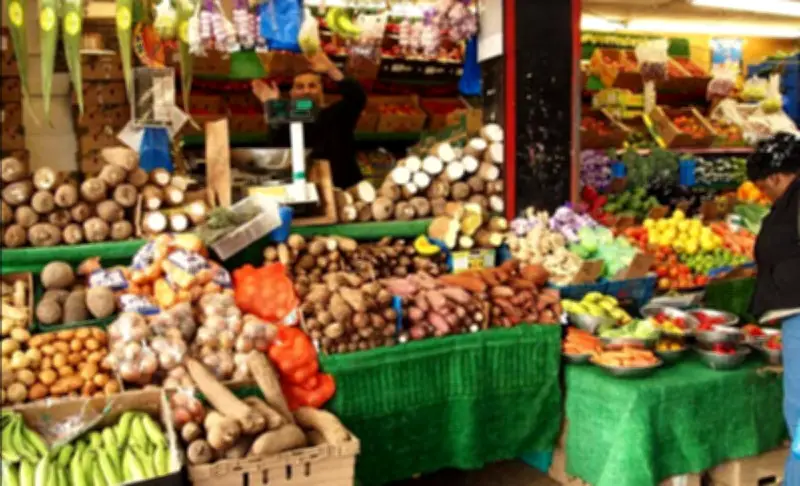
The cost of onions in Lagos surged by 40% in July, while cooking gas prices experienced a slight decline, according to the latest market survey by Nairametrics. The survey, which tracked prices of essential commodities across major markets in the state, revealed a mixed bag of price movements, with some food items witnessing significant hikes and others recording marginal drops.
Onion Prices Spike
Onions, a staple in Nigerian cuisine, saw the most dramatic increase, climbing from an average of N800 to N1,120 per 100g unit, representing a 40% month-on-month increase. This sharp rise has been attributed to seasonal factors and supply chain disruptions, as traders report reduced harvests from northern producing states. The price hike has raised concerns among households and food vendors who rely heavily on onions for daily cooking.
According to the survey, other food items also recorded increases, though less severe. Tomatoes, for instance, rose by 15% from N500 to N575 per 100g, while peppers saw a 10% uptick. However, these increases were partially offset by declines in some staples, such as rice and beans, which fell by 5% and 3% respectively, offering some relief to consumers.
Cooking Gas Prices Ease
In contrast, cooking gas prices eased slightly, providing a glimmer of hope for households and small businesses. The average price of a 12.5kg cylinder of cooking gas dropped by 2% from N12,500 to N12,250 in July, according to the Nairametrics survey. This decline is attributed to improved supply and a slight appreciation of the naira against the dollar, which reduced import costs.
However, the reduction is marginal compared to the significant increases seen earlier in the year. Many consumers still find the price burdensome, and the demand for alternative fuels like charcoal and firewood remains high in lower-income areas. The survey noted that the easing in gas prices might be temporary, as global energy prices remain volatile.
Market Reactions and Consumer Impact
Market traders in Lagos have expressed mixed feelings about the price trends. One trader, Mrs. Funmilayo Adebayo, who sells onions at the Mile 12 market, said, "The cost of onions has gone up because the supply from the north is low. We have to pay more to transport them, and we pass that on to our customers." She added that sales have dropped as consumers buy smaller quantities or substitute with alternatives.
Consumers are feeling the pinch, with many adjusting their budgets. "I used to buy a large basket of onions every week, but now I buy half, and I'm using more of other vegetables," said Mr. Chinedu Okafor, a restaurant owner in Ikeja. The survey indicates that the overall cost of a typical food basket in Lagos increased by 8% in July, putting additional pressure on household finances.
Broader Economic Implications
The price movements in Lagos reflect broader inflationary trends in Nigeria. The National Bureau of Statistics (NBS) recently reported that food inflation stood at 24.7% year-on-year in June, and the July survey suggests continued upward pressure. Analysts warn that unless supply chain issues are addressed, food prices may remain elevated, exacerbating food insecurity.
However, the slight easing in cooking gas prices is a positive sign, as energy costs are a major driver of inflation. If the trend continues, it could help stabilize prices in other sectors. The Nairametrics survey underscores the need for targeted interventions to boost agricultural productivity and improve logistics to ensure affordable food for all Nigerians.
Outlook for August
Looking ahead, market analysts expect onion prices to remain high until the next harvest season, while gas prices may fluctuate depending on global oil prices and exchange rates. The Nairametrics survey will continue to monitor these trends, providing consumers and policymakers with timely data to make informed decisions.




