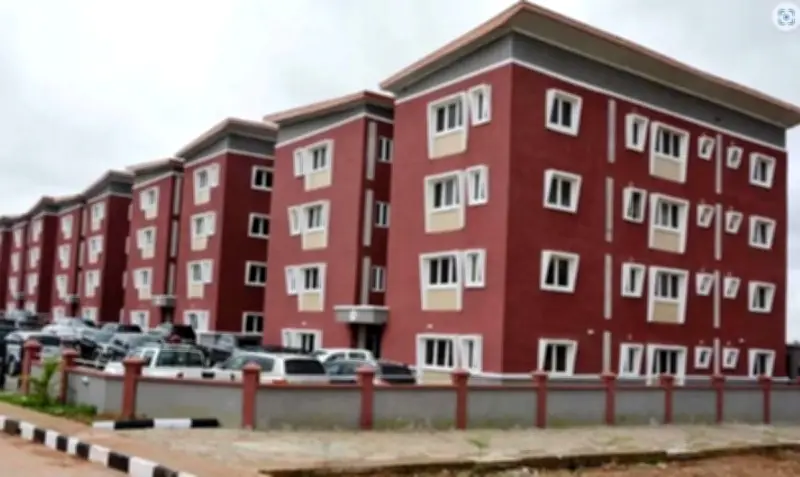
Lagos State requires an estimated N6 trillion annually over the next decade to resolve its housing crisis, according to a research report from GTI Capital. The firm's analysis, released on August 21, 2026, highlights a current housing deficit of 1.2 million units in the state, a figure that underscores the scale of the challenge facing policymakers and private investors alike.
Research Findings Reveal Funding Gap
The GTI Capital research, titled "Bridging the Housing Gap in Lagos State," indicates that the state's housing deficit is exacerbated by rapid urbanization and a growing population. The report notes that Lagos, as Nigeria's most populous city, attracts significant migration, which pressures existing housing stock and infrastructure. According to GTI Capital, the N6 trillion annual investment would need to be sustained for 10 years to meaningfully address the deficit and provide adequate housing for residents.
The report further breaks down the funding requirements, emphasizing that both public and private sector participation is essential. GTI Capital suggests that a combination of government intervention, private sector development, and innovative financing mechanisms could help bridge the gap. The firm also highlights the role of mortgage financing and real estate investment trusts (REITs) as potential tools to mobilize capital for housing projects.
Impact on Lagos Economy and Residents
The housing crisis has significant economic and social implications for Lagos. High rental costs and limited affordable housing options force many residents into overcrowded or substandard living conditions. GTI Capital's research indicates that addressing the deficit could stimulate economic growth through job creation in construction and related industries, as well as improve the quality of life for millions of Lagosians.
The report also calls for streamlined land administration and faster approval processes to reduce the cost and time of housing delivery. GTI Capital argues that regulatory bottlenecks currently inflate development costs, which are ultimately passed on to buyers and renters. The firm recommends that the state government prioritize urban planning and infrastructure development, such as roads, water, and power, to support new housing projects.
Path Forward for Housing Development
Looking ahead, GTI Capital emphasizes the need for sustained political will and multi-stakeholder collaboration. The research suggests that Lagos State could leverage public-private partnerships (PPPs) and seek investment from pension funds and other institutional investors. By creating an enabling environment, the state can attract the N6 trillion annual capital required to build homes for its growing population.
The report concludes that without decisive action, the housing deficit will continue to widen, exacerbating social tensions and hindering economic progress. GTI Capital urges both state and federal governments to adopt policies that encourage affordable housing development, including tax incentives and reduced interest rates for homebuyers. The firm's findings serve as a call to action for all stakeholders to prioritize housing as a critical component of Lagos's sustainable development agenda.