
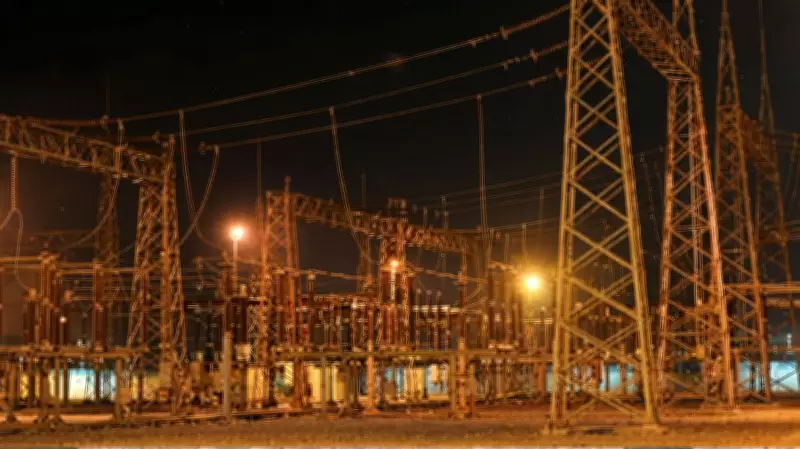
The Lagos State Electricity Regulatory Commission (LASERC) has introduced an ambitious set of reforms aimed at addressing the chronic power deficit in Nigeria's commercial capital. Currently, Lagos receives only about 930 megawatts (MW) from the national grid against an estimated demand of 12,000MW, leaving a supply gap of over 11,000MW.
Key Reform Measures
The reforms, unveiled at the maiden LASERC stakeholders' engagement in Lagos, include plans to expand wheeling capacity six-fold, license 14 new operators, enforce full smart metering, deepen competition, and introduce cost-reflective tariffs. These measures are designed to attract investment and improve electricity reliability across the state.
Licensing New Operators
LASERC disclosed plans to license 14 new operators expected to inject additional megawatts into the Lagos electricity market. Proposed licensees include Axxela Limited, Daybreak (which received six licences), Isolo Power Gen Limited, Isolo Power Supply Limited, New Hampshire Capital Limited, GossLink Engineering Limited (three licences), and Enaro Energy Mini-Grid Limited.
The reform agenda aims to dismantle what officials described as the 'culture of darkness' in Lagos, as the state currently meets less than 10 per cent of its projected power needs.
Government Commitment
Lagos State Commissioner for Energy and Mineral Resources, Biodun Ogunleye, declared that the state is determined to permanently alter electricity delivery and move away from decades of chronic blackouts. He assured existing operators and investors that the reforms would not displace businesses already operating within the market. 'We are not going to do a model that now makes government a competitor with you. We will not compete with anybody. But we will allow you to compete among yourselves. And we'll supervise those competitions,' he said.
Long-Term Roadmap
LASERC CEO Temitope George stated that the state is not promising instant, round-the-clock electricity but is pursuing a phased transition anchored in pilot projects and long-term reforms. She added that the vision extends beyond expanding access to ensuring affordability and sustainability. LASERC's success targets include 95 to 100 per cent grid availability for all customers, single-digit ATC&C losses, full metering penetration, and fully cost-reflective tariffs for all activities.
The Commission has already licensed subsidiary companies of the two major distribution companies operating in Lagos, Eko Disco and Ikeja Electric, with plans underway to license 14 additional operators.
Federal-State Collaboration
Hauwa Yakubu, Head of Compliance at the Nigerian Electricity Regulatory Commission (NERC), representing Chairman Dr Musiliu Oseni, emphasized that collaboration between federal and state regulators will be critical to sustaining ongoing electricity reforms.




