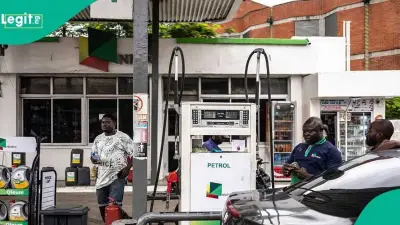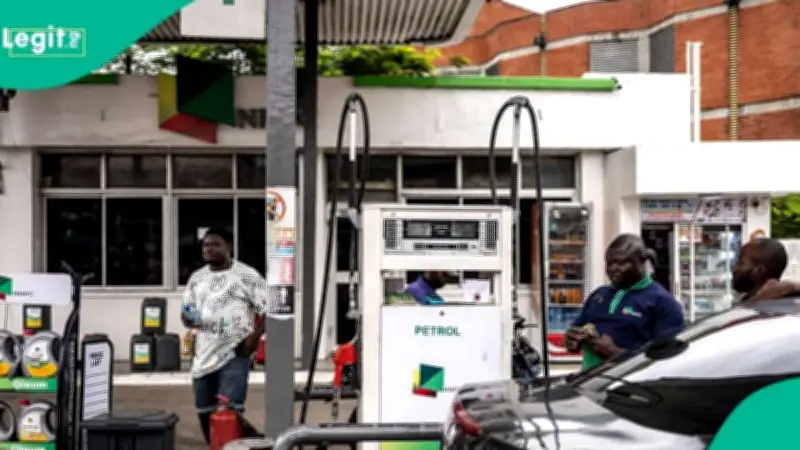
The N70,000 national minimum wage in Nigeria now buys just 50 litres of petrol at the current pump price of N1,400 per litre, a stark illustration of the erosion of workers' purchasing power as fuel costs surge. A worker spending the entire monthly wage on petrol would receive only 50 litres, while buying 10 litres would cost N14,000, equivalent to 20% of the monthly minimum wage, leaving N56,000 for food, transportation, rent, electricity, healthcare and other expenses.
Petrol Price Surge Squeezes Workers' Incomes
Petrol prices have risen sharply following increases in international crude oil prices and costs across the domestic petroleum supply chain. Vanguard reported earlier in September that MRS increased its petrol price in Lagos and surrounding areas to N1,400 per litre from N1,300, while NNPC filling stations moved to N1,375 from N1,275. Some independent marketers were also selling at about N1,400 per litre.
At N1,400 per litre, filling a 50-litre vehicle tank would consume the entire monthly earnings of a minimum-wage worker. Even workers who do not own cars are exposed to the increase because higher petrol prices feed into commercial transport fares and the cost of moving food and other goods.
Keyamo Admits N70,000 No Longer Enough
The pressure on household finances has now received acknowledgement from within the Federal Government. Minister of Aviation and Aerospace Development, Festus Keyamo, said the N70,000 national minimum wage was inadequate to withstand the economic pressures confronting workers. Speaking at the 2026 National Pre-Retirement Summit, Keyamo said rising living costs had weakened workers' purchasing power and called for improved wages. The current minimum wage was increased from N30,000 to N70,000 in 2024.
NLC Seeks Intervention as Oil Prices Rise
The Nigeria Labour Congress has gone further, arguing that the government should use additional revenues associated with higher global oil prices to provide relief to workers. NLC President Joe Ajaero said Nigeria, as an oil-producing country, could benefit from higher crude prices even as citizens face higher petrol and transportation costs.
According to Vanguard, Ajaero called for intervention measures and argued that minimum-wage negotiations should consider inflation, food and fuel costs rather than focusing solely on the nominal salary figure. The NLC has also advocated linking wages and pensions more closely to inflation or the cost of living, so that sharp increases in prices do not quickly wipe out workers' purchasing power.
Fresh Wage Debate Gathers Momentum
Pressure for another wage adjustment is already building. Civil servants under the Joint National Public Service Negotiating Council recently demanded a reduction in petrol prices, a wage award and the commencement of negotiations for a new national minimum wage.
For workers earning N70,000, however, the immediate concern remains what their salaries can purchase today. With 10 litres of petrol alone taking one-fifth of the minimum wage, the latest fuel-price increase provides a stark illustration of how quickly rising living costs can erode the value of a salary increase.
Legit.ng earlier reported that Nigeria's downstream petroleum market recorded significant petrol price reductions in three major cities during the trading week, with depot rates falling to as low as N1,330 per litre. The latest weekly market review by Petroleumprice.ng showed that petrol prices declined across Warri, Port Harcourt and Calabar, while Lagos remained relatively firm at around N1,350 per litre.