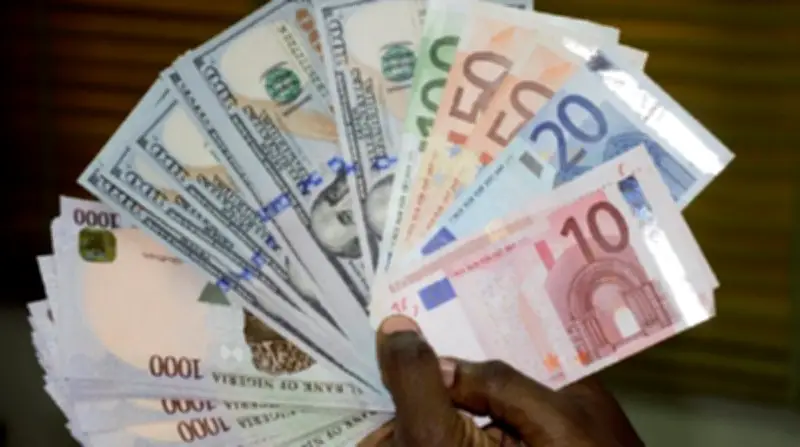
Nigeria's foreign exchange (FX) market turnover has surged by 117% to $3.73 billion in the first week of August, according to data from FMDQ Securities Exchange. This dramatic increase reflects improved liquidity and renewed investor confidence in the Nigerian economy.
Record Turnover in August
Data from the FMDQ platform shows that turnover in the FX market reached $3.73 billion between August 1 and August 8, compared to $1.72 billion recorded in the previous week. This represents a significant jump, indicating a robust demand for dollars and increased trading activity.
The surge comes amid efforts by the Central Bank of Nigeria (CBN) to stabilize the naira and attract foreign investment. The CBN has implemented several policies aimed at boosting liquidity, including clearing a backlog of unmet forex demands and introducing new trading rules.
Market Drivers
Analysts attribute the surge to a combination of factors, including improved oil prices, increased remittances, and a more transparent forex regime. According to a report by Nairametrics, the CBN's recent policies have encouraged banks and exporters to bring their dollars into the official market, thereby increasing turnover.
"The increase in turnover is a positive sign for the economy," said an analyst at a Lagos-based financial institution. "It shows that the market is becoming more efficient and that investors are gaining confidence in the naira."
Impact on Naira Value
The higher turnover has also had a stabilizing effect on the naira. The currency has appreciated slightly against the dollar in the official market, trading at around N1,540 per dollar, down from N1,600 in the previous week. This is a welcome development for businesses and consumers who have faced high import costs due to currency depreciation.
However, some experts caution that the surge may be temporary and that sustained reforms are needed to maintain liquidity and attract long-term investment. They point to the need for continued fiscal discipline and structural reforms to diversify the economy away from oil dependence.
Future Outlook
Looking ahead, market participants are optimistic that the positive trend will continue, especially if global oil prices remain stable and the CBN maintains its reform momentum. The central bank has signaled its commitment to a market-determined exchange rate, which is expected to reduce arbitrage opportunities and encourage more transactions through official channels.
In conclusion, the 117% surge in FX turnover is a clear indication of improved market conditions. While challenges remain, the current trajectory suggests a more stable and transparent forex market in Nigeria, which could boost economic growth and investor confidence in the long run.