
A recent analysis of minimum wage levels across Africa has exposed dramatic economic disparities between nations, with Nigeria's official monthly wage floor of $49.18 placing it in the lower tier among selected countries. The data, current as of January 16, 2026, and converted to US dollars using the Oando Currency Converter, was reported by Cable Index.
The Continental Divide: North vs. Sub-Saharan Africa
The figures paint a clear picture of a continent divided, largely along regional lines. North African nations generally command higher wage floors, reflecting stronger labour protections, higher costs of living, and differing government policies. In stark contrast, many Sub-Saharan African countries, including some of the continent's largest economies, recorded significantly lower minimum earnings for workers.
Topping the list is the island nation of Mauritius with a monthly minimum wage of $365.87 (17,110 MUR). It is followed by Morocco at $328.72 and Algeria at $183.47. Egypt also ranks among the higher earners in the region with a wage of $147.97 per month.
Nigeria's Position and the Sub-Saharan Reality
Despite being Africa's largest economy, Nigeria finds itself in 11th position with a monthly minimum wage of $49.18 (70,000 NGN). This highlights the persistent challenge of translating economic size into tangible wage growth for the average worker. The situation is even more acute further down the list.
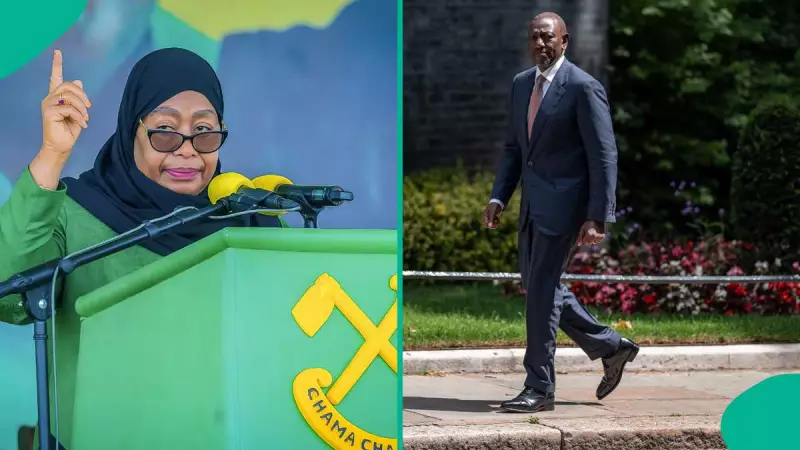
Other Sub-Saharan nations reported the following monthly wages: Cape Verde ($137.03), Lesotho ($136.86), Kenya ($117.15), Mozambique ($103.75), Benin ($92.14), and Madagascar ($56.52). The survey revealed the most difficult conditions in Tanzania ($31.75), Uganda ($36.33), and Angola ($34.89). Ethiopia recorded the lowest minimum wage at just $2.69 (420 ETB) per month.
Local Implementation in Nigeria
In related news, the Cross River State government in Nigeria, led by Governor Bassey Otu, has moved to implement the national wage agreement. The state's Head of Service, Dr. Innocent Eteng, confirmed the approval of the N70,000 minimum wage for workers in the state, stating the administration acted in line with the pact reached with organised labour.
The wide chasm in earnings across Africa underscores the varying stages of economic development, productivity levels, and policy priorities from one nation to another. For workers in countries at the bottom of the list, the data presents a sobering view of the value placed on basic labour.




