The Nigeria Sovereign Investment Authority (NSIA) has cemented its role as a pivotal national development engine, closing 2025 with record financial strength and a portfolio of transformative projects. Established by an Act of Parliament to manage Nigeria's sovereign wealth, the Authority has evolved from a savings and stabilisation vehicle into a proactive builder of critical economic systems.
Financial Resilience and Global Recognition
By June 2025, NSIA's net assets exceeded the $3 billion mark for the first time, a significant leap from the $1 billion it started with. This growth, representing a resilient Compound Annual Growth Rate (CAGR) of 9.9%, was supported by government contributions and retained earnings. The Authority also reported a Core Total Comprehensive Income of ₦202.10 billion for the first half of the year.
This financial robustness is matched by its global standing. In 2025, NSIA achieved a perfect 100% score on the Global SWF Governance, Sustainability & Resilience Index and maintained a high 9/10 rating on the Linaburg-Maduell Transparency Index. These accolades reinforce its position as a global benchmark for accountability and responsible investing among sovereign institutions.
Driving Impact Across Key Sectors
Under the leadership of Managing Director and CEO, Aminu Umar-Sadiq, NSIA executed a multi-sector strategy aimed at solving structural challenges.
Healthcare Transformation
In partnership with the Federal Ministry of Health, NSIA's healthcare subsidiary, MedServe, was appointed to upgrade oncology centres nationwide. In 2025, three centres were successfully commissioned at the University of Benin Teaching Hospital (UBTH), the University of Nigeria Teaching Hospital (UNTH), and the Federal Teaching Hospital Katsina (FTHK). These facilities are now treating patients and training staff.
Complementing this infrastructure push, a $2 million oncology training programme launched in July 2024 has already upskilled over 186 clinicians across radiotherapy, nursing, and pathology, delivering more than 10,000 training hours.
Fueling Innovation and Technology
To tackle the early-stage financing gap, NSIA partnered with the Japan International Cooperation Agency (JICA) to establish a $28 million Impact Innovation Fund. This fund blends concessional finance with NSIA capital to support tech startups solving social challenges.
This effort amplifies the NSIA Prize for Innovation (NPI), which in its third edition attracted over 5,000 applications and awarded more than $250,000 in grants to young Nigerian entrepreneurs.
Energy Security and Agriculture
In energy, NSIA advanced its Renewable Investment Platform for Limitless Energy (RIPLE) and launched a Distributed Renewable Energy (DRE) Fund with partners like Africa50. These initiatives aim to decommission diesel generators and finance off-grid solutions.
In agriculture, the Authority's management of the Presidential Fertiliser Initiative (PFI) continues to yield results. From just four operational blending plants in 2017, the programme now supports over 80 plants, has created more than 100,000 jobs, and produced approximately 130 million bags of fertiliser.
Building Systems for Sustainable Growth
Beyond projects, NSIA focuses on creating enduring financial systems. In 2025, it helped capitalise the new National Credit Guarantee Company (NCGC) with ₦100 billion to expand credit access for households and MSMEs.
The Authority also played a key role in developing Nigeria's National Carbon Market Framework, approved in November 2025, positioning the country to attract climate finance.
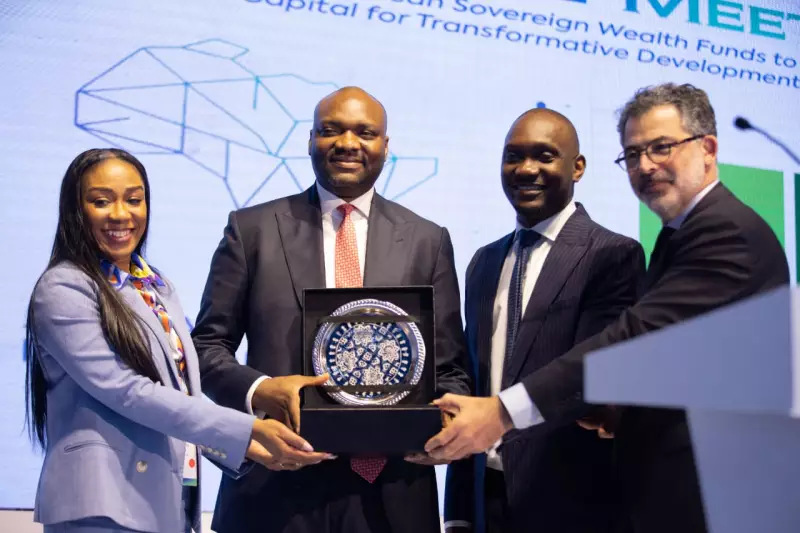
On the continental stage, NSIA hosted the fourth Annual Meeting of the Africa Sovereign Investors Forum (ASIF 2025) in Abuja. A major outcome was the launch of the ASIF Investment Platform, co-stewarded with Morocco's Ithmar Capital, to mobilise capital for pan-African infrastructure and renewable energy projects.
As 2025 concludes, NSIA's work—which has created over 245,000 jobs to date—highlights its philosophy: sustainable national development requires building resilient systems. With strategic and financial strength, the Authority enters 2026 poised to continue its mission of building a more prosperous and resilient Nigeria for present and future generations.